

A clinical-stage biotechnology company advancing a first-in-class oral therapy across oncology, autoimmune disease, and ALS, built on more than a decade of UCLA research.
Leadership
Guided by Scientists and Builders.
Trethera has demonstrated growth through an expansion of potential disease indications, new patents, and exceptional talent.
With FDA Orphan Drug designations for two indications, a Fast Track designation for another, and a clear roadmap to commercialization, Trethera is well-positioned for both patient impact and investor value.
Management
Advisors
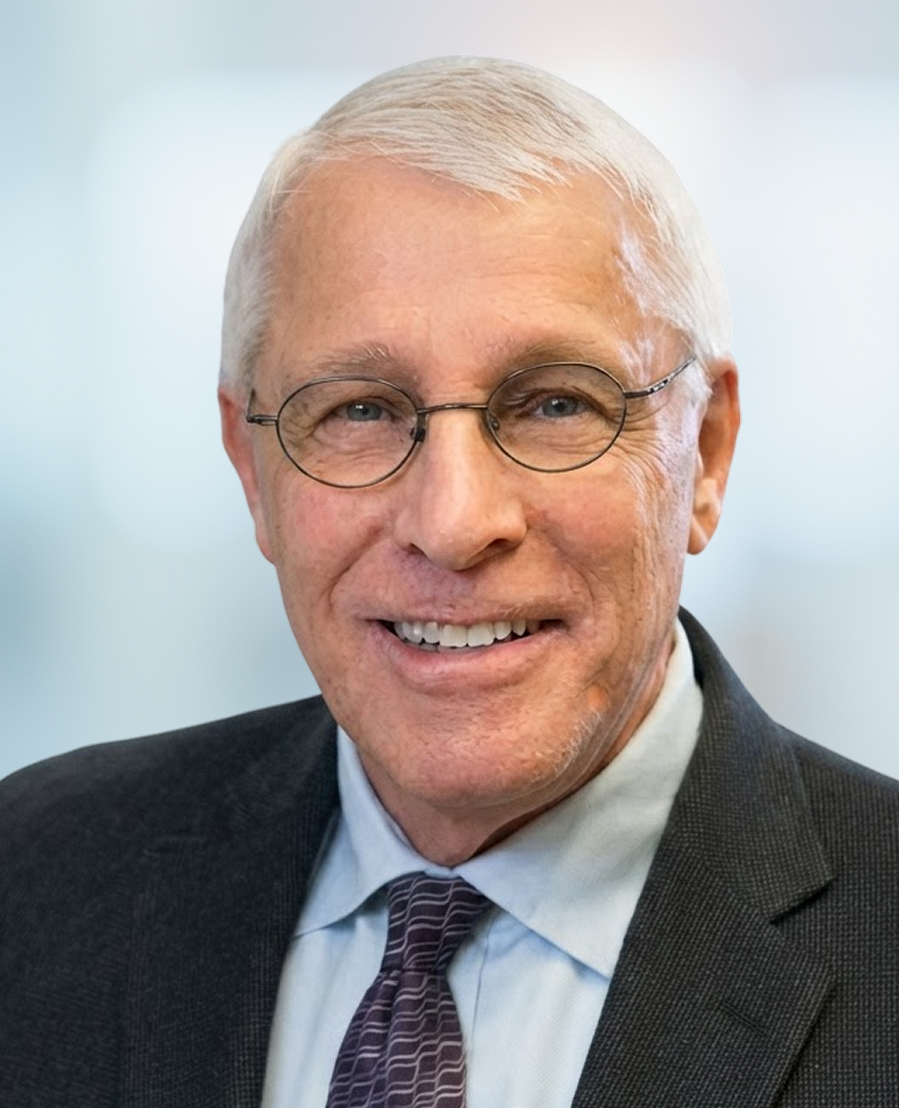
Owen Witte, MD, Co-Founder | Molecular Oncology & Immunology
The Scientist Whose Discoveries Enabled a Generation of Targeted Cancer Therapies
Dr. Owen Witte is a University Professor of Microbiology, Immunology and Molecular Genetics at UCLA, where he holds the President’s Chair in Developmental Immunology and serves as Director Emeritus of the Eli and Edythe Broad Center of Regenerative Medicine and Stem Cell Research. He received his undergraduate degree from Cornell and his MD from Stanford University, then completed postdoctoral research at MIT before joining the UCLA faculty.
His research established the foundation for modern kinase-targeted cancer therapy. His discovery of tyrosine kinase activity for the ABL gene and demonstration of BCR-ABL oncoproteins in human leukemias contributed directly to the development of Gleevec, the first targeted therapy for chronic myelogenous leukemia. He also co-discovered Bruton’s Tyrosine Kinase (BTK), enabling drugs like Imatinib and Ibrutinib now used globally to treat lymphomas and leukemias. More recent research has focused on defining stem cells and growth regulatory pathways in prostate and other epithelial cancers — including the discovery of the prostate stem cell antigen and the determination that the protein N-Mycdrives aggressive neuroendocrine prostate cancer — and translating those findings intoCAR-T and T-cell receptor immunotherapies.
A member of the National Academy of Sciences, National Academy of Medicine, and American Academy of Arts and Sciences, Witte currently serves on the Board of Directors at Allogene Therapeutics and as SAB Chair at Vida Ventures. His honors include the Harrington Prize for Innovation in Medicine, the AAMC Award for Distinguished Research in Biomedical Sciences, and Stanford’s Arthur Kornberg and Paul Berg Lifetime Achievement Award in Biomedical Sciences, among others.
Owen Witte, MD, Co-Founder | Molecular Oncology & Immunology
The Scientist Whose Discoveries Enabled a Generation of Targeted Cancer Therapies
Dr. Owen Witte is a University Professor of Microbiology, Immunology and Molecular Genetics at UCLA, where he holds the President’s Chair in Developmental Immunology and serves as Director Emeritus of the Eli and Edythe Broad Center of Regenerative Medicine and Stem Cell Research. He received his undergraduate degree from Cornell and his MD from Stanford University, then completed postdoctoral research at MIT before joining the UCLA faculty.
His research established the foundation for modern kinase-targeted cancer therapy. His discovery of tyrosine kinase activity for the ABL gene and demonstration of BCR-ABL oncoproteins in human leukemias contributed directly to the development of Gleevec, the first targeted therapy for chronic myelogenous leukemia. He also co-discovered Bruton’s Tyrosine Kinase (BTK), enabling drugs like Imatinib and Ibrutinib now used globally to treat lymphomas and leukemias. More recent research has focused on defining stem cells and growth regulatory pathways in prostate and other epithelial cancers — including the discovery of the prostate stem cell antigen and the determination that the protein N-Mycdrives aggressive neuroendocrine prostate cancer — and translating those findings intoCAR-T and T-cell receptor immunotherapies.
A member of the National Academy of Sciences, National Academy of Medicine, and American Academy of Arts and Sciences, Witte currently serves on the Board of Directors at Allogene Therapeutics and as SAB Chair at Vida Ventures. His honors include the Harrington Prize for Innovation in Medicine, the AAMC Award for Distinguished Research in Biomedical Sciences, and Stanford’s Arthur Kornberg and Paul Berg Lifetime Achievement Award in Biomedical Sciences, among others.
Caius Radu, MD, Co-Founder & Primary Inventor | Nucleotide Metabolism & Molecular Imaging
The Scientist Who Identified dCK as a Therapeutic Target and Built the Science Behind TRE-515.
Dr. Caius Radu is Professor in the Departments of Molecular and Medical Pharmacology and Surgery at UCLA, where he also serves as Vice Chairman of the Department of Molecular and Medical Pharmacology and Co-Director of the Cancer Molecular Imaging, Nanotechnology and Theranostics Research Program at the Jonsson Comprehensive Cancer Center. He is the primary inventor of TRE-515 and a co-founder of Trethera Corporation.
His research group advances the understanding of fundamental biological processes at the interface of metabolic, signal transduction, and immune networks in cancer — translating that knowledge into new diagnostic and therapeutic approaches. Specific areas of focus include novel mechanisms regulating nucleotide metabolism in cancer, targetable co-dependencies in pancreatic and prostate cancers, and the use of nucleoside imaging probes as non-invasive predictive biomarkers for treatment response.
Dr. Radu received his MD from the University of Medicine in Craiova, Romania, and completed postdoctoral training in immunology and cancer biology at UT Southwestern Medical Center in Dallas and at UCLA under Dr. Owen Witte.
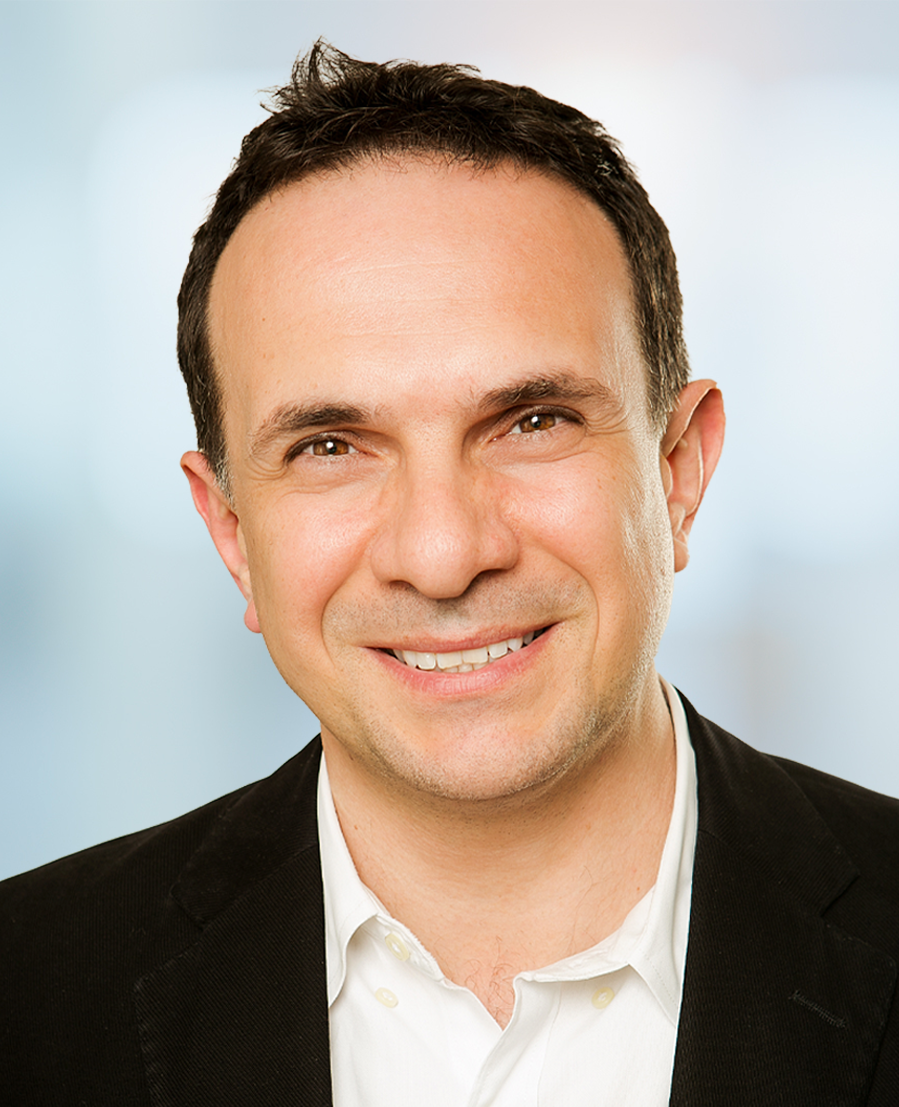
Caius Radu, MD, Co-Founder & Primary Inventor | Nucleotide Metabolism & Molecular Imaging
The Scientist Who Identified dCK as a Therapeutic Target and Built the Science Behind TRE-515.
Dr. Caius Radu is Professor in the Departments of Molecular and Medical Pharmacology and Surgery at UCLA, where he also serves as Vice Chairman of the Department of Molecular and Medical Pharmacology and Co-Director of the Cancer Molecular Imaging, Nanotechnology and Theranostics Research Program at the Jonsson Comprehensive Cancer Center. He is the primary inventor of TRE-515 and a co-founder of Trethera Corporation.
His research group advances the understanding of fundamental biological processes at the interface of metabolic, signal transduction, and immune networks in cancer — translating that knowledge into new diagnostic and therapeutic approaches. Specific areas of focus include novel mechanisms regulating nucleotide metabolism in cancer, targetable co-dependencies in pancreatic and prostate cancers, and the use of nucleoside imaging probes as non-invasive predictive biomarkers for treatment response.
Dr. Radu received his MD from the University of Medicine in Craiova, Romania, and completed postdoctoral training in immunology and cancer biology at UT Southwestern Medical Center in Dallas and at UCLA under Dr. Owen Witte.
Joseph Sullivan, Business Advisor | Healthcare Investment Banking & Capital Markets
Joseph Sullivan is a former Goldman Sachs investment banker specializing in healthcare. He has served on the board of Amylin Pharmaceuticals, a diabetes-focused biotech acquired by Bristol-Myers Squibb in a transaction valued at approximately $7billion, and on the board of Cigna, one of the largest health insurance and managed care organizations in the United States.
His advisory role at Trethera connects the company’s scientific and clinical development program to the capital markets perspective — specifically the questions institutional investors and investment banks ask before committing to financing, a partnership, or anexit.

Joseph Sullivan, Business Advisor | Healthcare Investment Banking & Capital Markets
Joseph Sullivan is a former Goldman Sachs investment banker specializing in healthcare. He has served on the board of Amylin Pharmaceuticals, a diabetes-focused biotech acquired by Bristol-Myers Squibb in a transaction valued at approximately $7billion, and on the board of Cigna, one of the largest health insurance and managed care organizations in the United States.
His advisory role at Trethera connects the company’s scientific and clinical development program to the capital markets perspective — specifically the questions institutional investors and investment banks ask before committing to financing, a partnership, or anexit.
Rick Morrissey, PhD, Scientific Advisor | Preclinical Development & Toxicology
The IND Expert Who Has Taken Over 200 Drug Programs into the Clinic
Dr. Rick Morrissey brings more than 30 years of pharmaceutical preclinical development experience to Trethera’s advisory board, with particular expertise in toxicology, drug metabolism, and non-clinical safety assessment across small molecules, biologics, and gene therapy.
He served as Head of Preclinical Development at Celgene and held senior roles at Schering-Plough and Merck, accumulating experience across seven therapeutic areas and responsibility for more than 200 Investigational New Drug applications and six registered drug approvals in the US and globally. He also worked with the National Toxicology Program and the Agricultural Research Unit of the US Department of Agriculture earlier in his career. He has served as President of the American Board of Toxicology and was active on PhRMA’s Innovation & Quality Board of Directors and the Preclinical Safety Leadership Group. He has more than 60 peer-reviewed publications across toxicology, pathology, drug metabolism, and non-clinical drug development.
For a clinical-stage company like Trethera, Morrissey’s ability to navigate regulatory expectations for a first-in-class compound is directly material to development timelines.
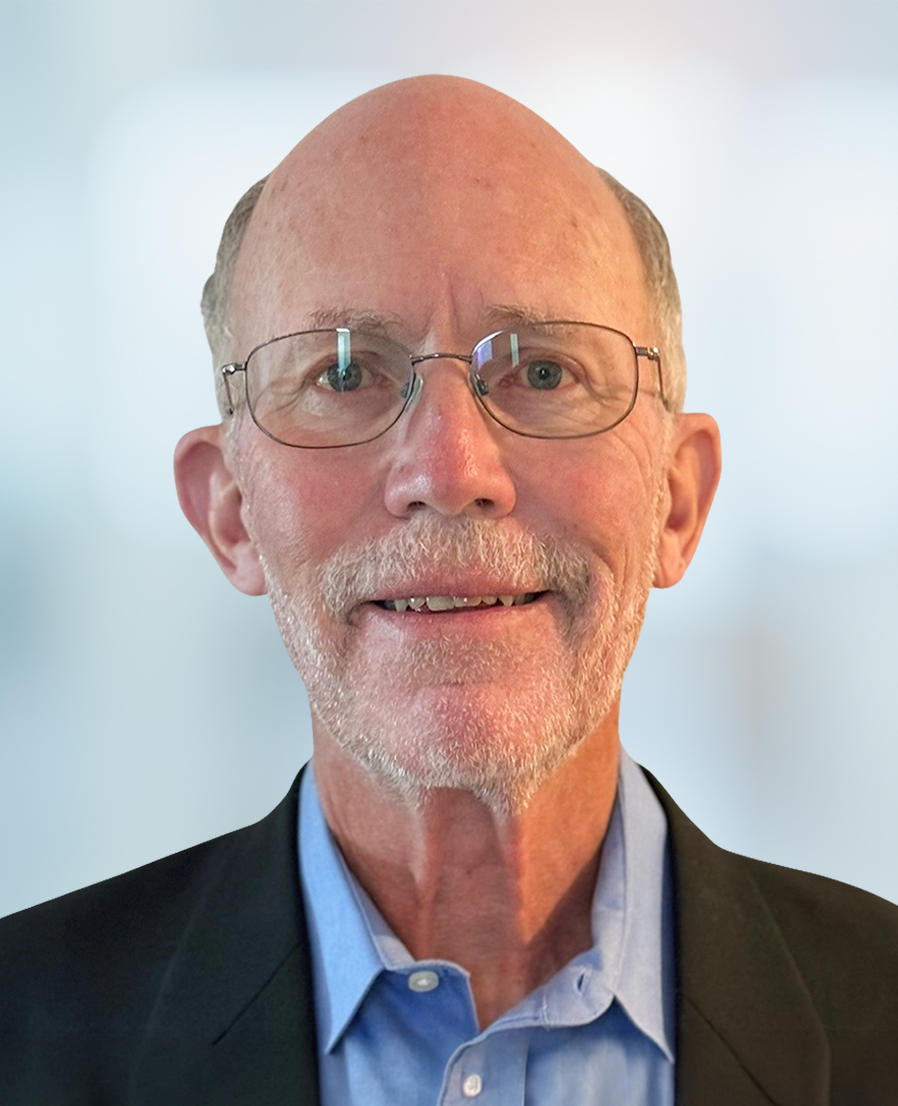
Rick Morrissey, PhD, Scientific Advisor | Preclinical Development & Toxicology
The IND Expert Who Has Taken Over 200 Drug Programs into the Clinic
Dr. Rick Morrissey brings more than 30 years of pharmaceutical preclinical development experience to Trethera’s advisory board, with particular expertise in toxicology, drug metabolism, and non-clinical safety assessment across small molecules, biologics, and gene therapy.
He served as Head of Preclinical Development at Celgene and held senior roles at Schering-Plough and Merck, accumulating experience across seven therapeutic areas and responsibility for more than 200 Investigational New Drug applications and six registered drug approvals in the US and globally. He also worked with the National Toxicology Program and the Agricultural Research Unit of the US Department of Agriculture earlier in his career. He has served as President of the American Board of Toxicology and was active on PhRMA’s Innovation & Quality Board of Directors and the Preclinical Safety Leadership Group. He has more than 60 peer-reviewed publications across toxicology, pathology, drug metabolism, and non-clinical drug development.
For a clinical-stage company like Trethera, Morrissey’s ability to navigate regulatory expectations for a first-in-class compound is directly material to development timelines.
Michael E. Jung, PhD, Co-Founder | Medicinal Chemistry & Drug Discovery
The Academic Chemist Behind Two FDA-Approved Prostate Cancer Drugs
Dr. Michael Jung is the Walter and Shirley Wang Endowed Chair in Medicinal Drug Discovery, a position he has held since 2021. He joined the UCLA faculty in 1974 and was promoted to Distinguished Professor of Chemistry Above Scale in 2010. He is an authority on synthetic organic and medicinal chemistry with more than 425 patents and patent applications, both on his own work and that with pharmaceutical firms. He has published more than 375 articles and presented more than 680 lectures on his research. He consults for several industrial laboratories across in both biotech and big pharma settings and serves on the scientific advisory boards of several pharmaceutical firms.
Jung received his BA from Rice University in 1969 and his PhD from Columbia University in1973, where he trained with Gilbert Stork. He completed a NATO postdoctoral fellowship with Albert Eschenmoser at ETH Zurich before joining UCLA in 1974. His laboratory produced two FDA-approved prostate cancer drugs: enzalutamide (Xtandi), approved in2012, and apalutamide (Erleada), approved in 2018. These two drugs are the standard of care today for castration-resistant prostate cancer. Among his many honors are the 2026 Gertrude Elion Award and the 2025 Edward Smissman Award, both from the Division of Medicinal Chemistry (MEDI) of the American Chemical Society, the 2025 National Academy of Sciences Award for Chemistry in Service to Society, induction into the MEDI Hall of Fame in 2024, the 2022 IUPAC-Richter Prize for Medicinal Chemistry, the 2019American Association of Cancer Research Award for Outstanding Achievement in Chemistry in Cancer Research, and induction into the National Academy of Inventors in 2015.
As a Trethera cofounder, Jung’s participation signals that TRE-515’s chemical foundation was built with the same rigor that has produced approved medicines from the same institution.
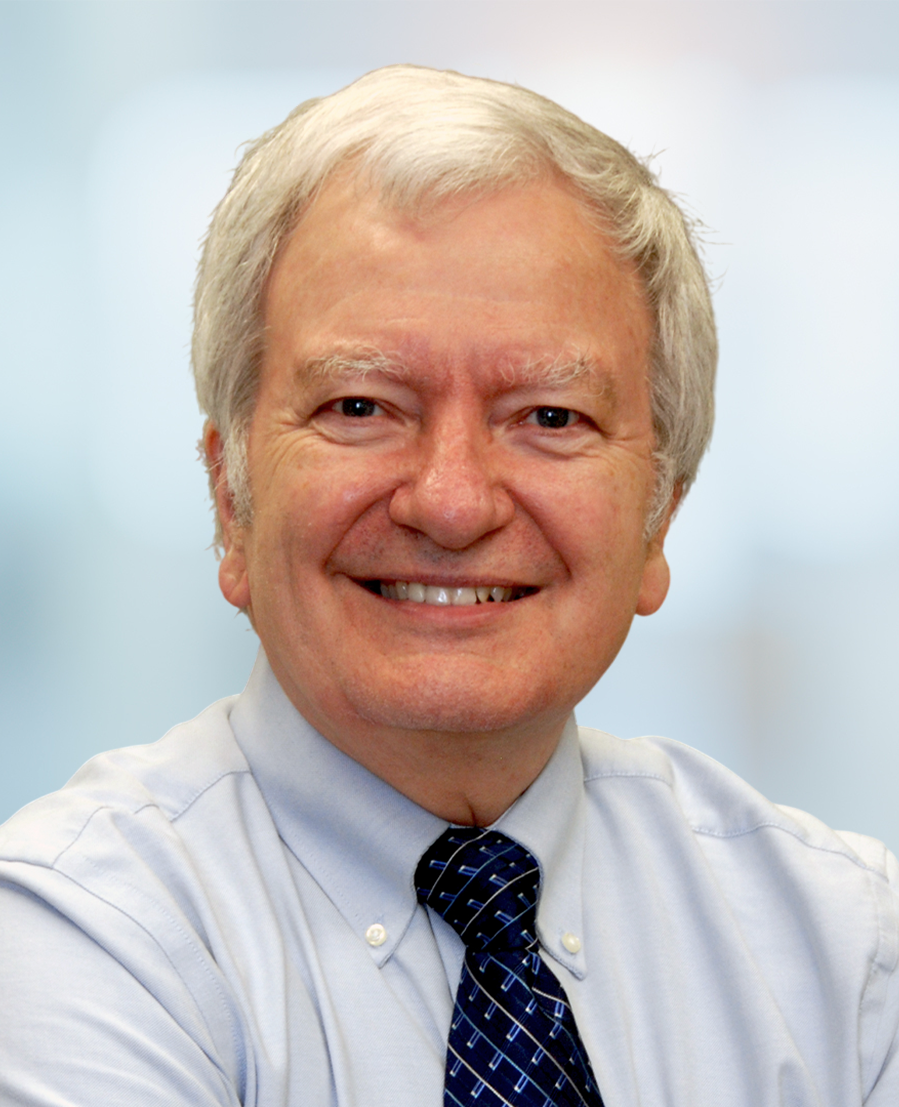
Michael E. Jung, PhD, Co-Founder | Medicinal Chemistry & Drug Discovery
The Academic Chemist Behind Two FDA-Approved Prostate Cancer Drugs
Dr. Michael Jung is the Walter and Shirley Wang Endowed Chair in Medicinal Drug Discovery, a position he has held since 2021. He joined the UCLA faculty in 1974 and was promoted to Distinguished Professor of Chemistry Above Scale in 2010. He is an authority on synthetic organic and medicinal chemistry with more than 425 patents and patent applications, both on his own work and that with pharmaceutical firms. He has published more than 375 articles and presented more than 680 lectures on his research. He consults for several industrial laboratories across in both biotech and big pharma settings and serves on the scientific advisory boards of several pharmaceutical firms.
Jung received his BA from Rice University in 1969 and his PhD from Columbia University in1973, where he trained with Gilbert Stork. He completed a NATO postdoctoral fellowship with Albert Eschenmoser at ETH Zurich before joining UCLA in 1974. His laboratory produced two FDA-approved prostate cancer drugs: enzalutamide (Xtandi), approved in2012, and apalutamide (Erleada), approved in 2018. These two drugs are the standard of care today for castration-resistant prostate cancer. Among his many honors are the 2026 Gertrude Elion Award and the 2025 Edward Smissman Award, both from the Division of Medicinal Chemistry (MEDI) of the American Chemical Society, the 2025 National Academy of Sciences Award for Chemistry in Service to Society, induction into the MEDI Hall of Fame in 2024, the 2022 IUPAC-Richter Prize for Medicinal Chemistry, the 2019American Association of Cancer Research Award for Outstanding Achievement in Chemistry in Cancer Research, and induction into the National Academy of Inventors in 2015.
As a Trethera cofounder, Jung’s participation signals that TRE-515’s chemical foundation was built with the same rigor that has produced approved medicines from the same institution.
Michael Levy, MD, PhD, Scientific Advisor | Neuroimmunology & Rare CNS Diseases
Harvard’s Leading Voice on Rare Autoimmune Diseases of the Central Nervous System
Dr. Michael Levy is Associate Professor of Neurology at Harvard Medical School and Director of the Neuroimmunology Lab at Massachusetts General Hospital. He completed His MD/PhD at Baylor College of Medicine with a focus on neuroscience, then completed
His internship, neurology residency, and a fellowship in neuroimmunology at Johns Hopkins, where he started the Neuromyelitis Optica Clinic and Research Laboratory in 2009 before moving to MGH and Harvard Medical School in 2019.
Clinically, Dr. Levy specializes in rare neuroimmunological diseases including Neuromyelitis optica, transverse myelitis, MOG antibody disease, acute disseminated Encephalomyelitis, and optic neuritis — several of which represent target indications for TRE-515’s orphan drug program. In his research laboratory, he uses genetically modified Mouse models to study how the immune and nervous systems interact in autoimmune and Neurodegenerative diseases, with the goal of developing strategies to re-educate the Immune system toward better outcomes. He serves as principal investigator on multiple Clinical studies and drug trials across these conditions.
A Fellow of the American Academy of Neurology, Dr. Levy holds a BA from the University of
Pennsylvania.
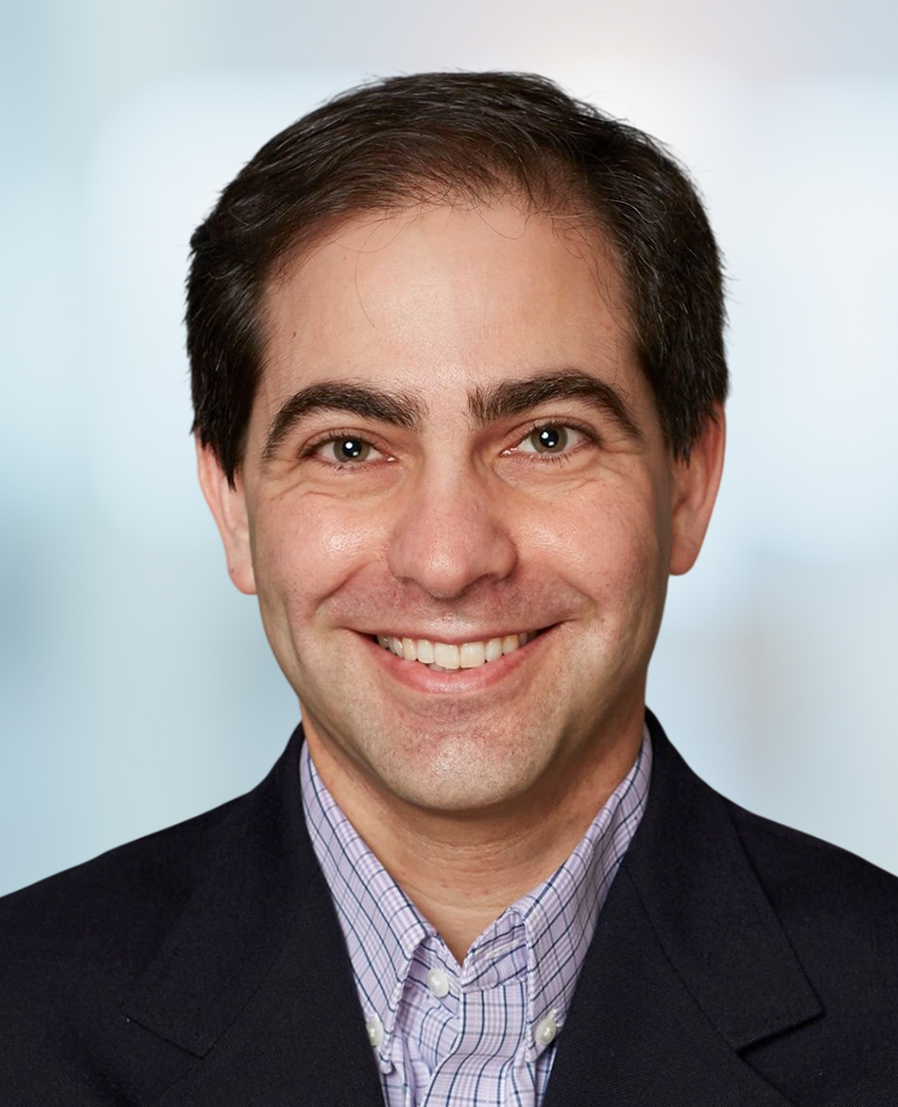
Michael Levy, MD, PhD, Scientific Advisor | Neuroimmunology & Rare CNS Diseases
Harvard’s Leading Voice on Rare Autoimmune Diseases of the Central Nervous System
Dr. Michael Levy is Associate Professor of Neurology at Harvard Medical School and Director of the Neuroimmunology Lab at Massachusetts General Hospital. He completed His MD/PhD at Baylor College of Medicine with a focus on neuroscience, then completed
His internship, neurology residency, and a fellowship in neuroimmunology at Johns Hopkins, where he started the Neuromyelitis Optica Clinic and Research Laboratory in 2009 before moving to MGH and Harvard Medical School in 2019.
Clinically, Dr. Levy specializes in rare neuroimmunological diseases including Neuromyelitis optica, transverse myelitis, MOG antibody disease, acute disseminated Encephalomyelitis, and optic neuritis — several of which represent target indications for TRE-515’s orphan drug program. In his research laboratory, he uses genetically modified Mouse models to study how the immune and nervous systems interact in autoimmune and Neurodegenerative diseases, with the goal of developing strategies to re-educate the Immune system toward better outcomes. He serves as principal investigator on multiple Clinical studies and drug trials across these conditions.
A Fellow of the American Academy of Neurology, Dr. Levy holds a BA from the University of
Pennsylvania.
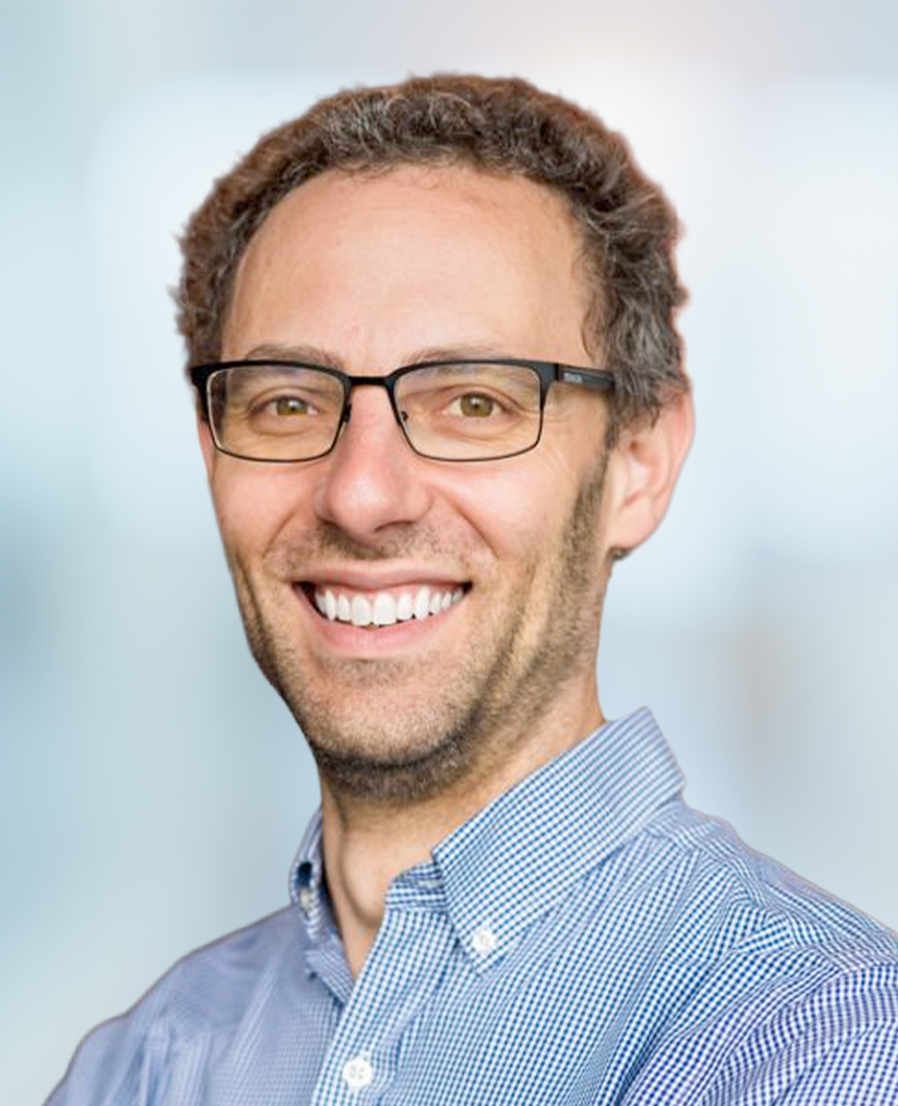
Peter M. Clark, PhD, Scientific Advisor, Immunology Advisory Board Chair | Nucleotide Metabolism & Autoimmune Disease
The Researcher Who Identified dCK as a Key Target in Autoimmune Disease – and Helped Earn TRE-515 its Orphan Drug Designation
The Researcher Who Identified dCK as a Key Target in Autoimmune Disease – and Helped Earn TRE-515 its Orphan Drug Designation. Dr. Peter Clark is an Associate Professor in the Department of Molecular and Medical Pharmacology and a member of the Crump Institute for Molecular Imaging at UCLA. His research leverages molecular imaging technologies to discover critical pathways in cancer and autoimmune disease, and high-throughput screening platforms to identify new ways to target these pathways.
Clark identified that the activity of the metabolic enzyme and TRE-515 target deoxycytidinekinase, dCK, is upregulated in autoimmune disease models including models of multiple sclerosis and ADEM. Clark and his lab showed that dCK is a key and targetable enzyme required for aberrant T and B cell activation in these autoimmune diseases. This work contributed to the development of TRE-515 and its FDA Orphan Drug designation for ADEM, a rare and sometimes fatal neurologic disease primarily affecting children.
As Chair of Trethera’s Immunology Advisory Board, Clark plays an active and ongoing role in shaping the company’s scientific direction in autoimmune indications.
Peter M. Clark, PhD, Scientific Advisor, Immunology Advisory Board Chair | Nucleotide Metabolism & Autoimmune Disease
The Researcher Who Identified dCK as a Key Target in Autoimmune Disease – and Helped Earn TRE-515 its Orphan Drug Designation
The Researcher Who Identified dCK as a Key Target in Autoimmune Disease – and Helped Earn TRE-515 its Orphan Drug Designation. Dr. Peter Clark is an Associate Professor in the Department of Molecular and Medical Pharmacology and a member of the Crump Institute for Molecular Imaging at UCLA. His research leverages molecular imaging technologies to discover critical pathways in cancer and autoimmune disease, and high-throughput screening platforms to identify new ways to target these pathways.
Clark identified that the activity of the metabolic enzyme and TRE-515 target deoxycytidinekinase, dCK, is upregulated in autoimmune disease models including models of multiple sclerosis and ADEM. Clark and his lab showed that dCK is a key and targetable enzyme required for aberrant T and B cell activation in these autoimmune diseases. This work contributed to the development of TRE-515 and its FDA Orphan Drug designation for ADEM, a rare and sometimes fatal neurologic disease primarily affecting children.
As Chair of Trethera’s Immunology Advisory Board, Clark plays an active and ongoing role in shaping the company’s scientific direction in autoimmune indications.
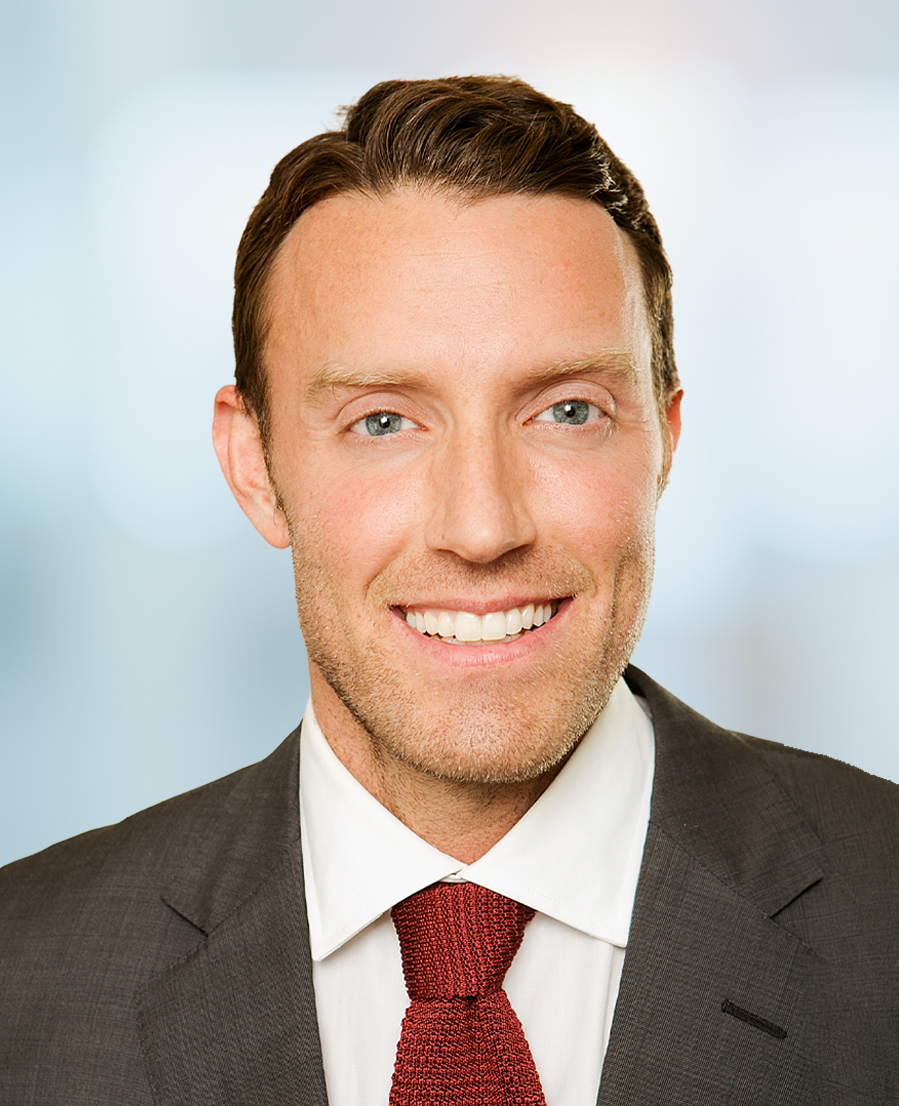
David Nathanson, PhD, Co-Founder | Neuroscience & Cancer Biology
The Brain Cancer Researcher Who Helped Identify Nucleotide Metabolism as a Therapeutic Lever.
Dr. David Nathanson is a Professor of Molecular and Medical Pharmacology at UCLA and a member of the Jonsson Comprehensive Cancer Center and the Ahmanson Translational Imaging Division. His laboratory focuses on glioblastoma, the most lethal form of brain cancer, investigating the dynamic interplay between molecular alterations and critical functional processes — including metabolism and apoptosis — with the goal of developing new therapeutic strategies for improved patient outcomes.
During his postdoctoral work with Drs. Caius Radu and Johannes Czernin at UCLA, Nathanson contributed to the development of a new therapeutic approach, companion molecular biomarkers, and clinical drug candidates targeting DNA metabolism in cancer — work that directly contributed to the founding of Trethera. His graduate research at UCLA under Dr. Paul Mischel uncovered a novel resistance mechanism by which oncogenes on extrachromosomal DNA are dynamically eliminated in response to drug pressure to maintain tumor growth.
He is a former Scholar in Oncologic Molecular Imaging Fellow and recipient of the Ruth Kirschstein NIH Award, the STOP Cancer Award, the Sanofi Innovation Award, and the Johnny Mercer Foundation Award for brain tumor research. He holds a PhD from UCLA.
David Nathanson, PhD, Co-Founder | Neuroscience & Cancer Biology
The Brain Cancer Researcher Who Helped Identify Nucleotide Metabolism as a Therapeutic Lever.
Dr. David Nathanson is a Professor of Molecular and Medical Pharmacology at UCLA and a member of the Jonsson Comprehensive Cancer Center and the Ahmanson Translational Imaging Division. His laboratory focuses on glioblastoma, the most lethal form of brain cancer, investigating the dynamic interplay between molecular alterations and critical functional processes — including metabolism and apoptosis — with the goal of developing new therapeutic strategies for improved patient outcomes.
During his postdoctoral work with Drs. Caius Radu and Johannes Czernin at UCLA, Nathanson contributed to the development of a new therapeutic approach, companion molecular biomarkers, and clinical drug candidates targeting DNA metabolism in cancer — work that directly contributed to the founding of Trethera. His graduate research at UCLA under Dr. Paul Mischel uncovered a novel resistance mechanism by which oncogenes on extrachromosomal DNA are dynamically eliminated in response to drug pressure to maintain tumor growth.
He is a former Scholar in Oncologic Molecular Imaging Fellow and recipient of the Ruth Kirschstein NIH Award, the STOP Cancer Award, the Sanofi Innovation Award, and the Johnny Mercer Foundation Award for brain tumor research. He holds a PhD from UCLA.
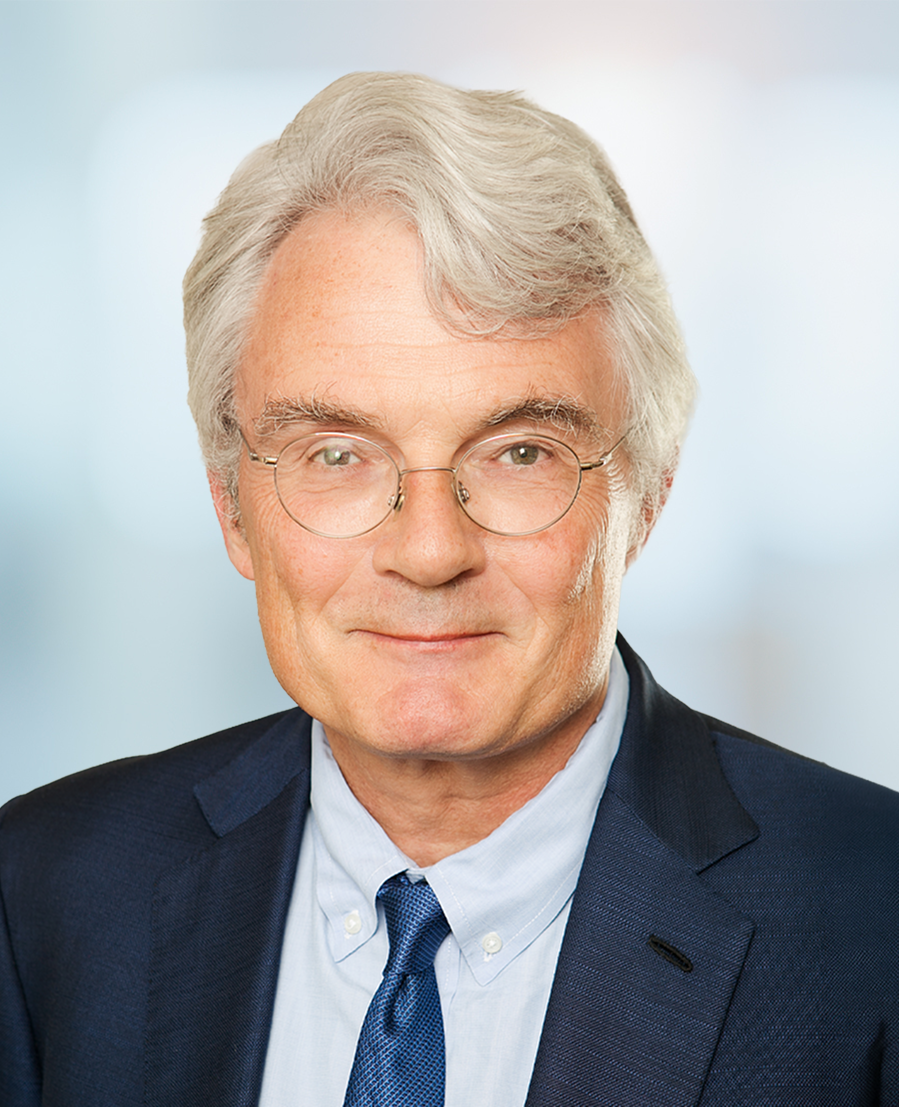
Johannes Czernin, MD, Co-Founder | Nuclear Medicine & Translational Theranostics
UCLA’s Chief of Theranostics. The Physician-Scientist Bridging Imaging and Drug Development
Dr. Johannes Czernin is Professor and Vice Chair of the Department of Molecular and Medical Pharmacology and Acting Chair of the Department of Nuclear Medicine and Theranostics at UCLA’s David Geffen School of Medicine, and Chief of the Ahmanson Translational Theranostics Division. He received his MD from the University of Vienna in 1983, was board certified in Internal Medicine in Austria in 1989, and board certified in Nuclear Medicine in the US in 1996 — the same year he was named Director of Nuclear Medicine at UCLA.
The department encompasses the Nuclear Medicine Clinic, a clinical imaging research program, a drug and probe development program grounded in tumor biology, and a preclinical imaging and biomedical radiochemistry center. It collaborates across urology, radiation oncology, surgery, neurology, pathology, and other departments to advance preclinical and clinical theranostics. His group successfully applied to the FDA for an NDA for a PSMA-targeted PET imaging probe in prostate cancer.
Editor-in-Chief of the Journal of Nuclear Medicine and past president of the Academy of Molecular Imaging, Czernin has published more than 300 peer-reviewed papers. As a Trethera cofounder, he provides the imaging science and translational infrastructure that connects TRE-515’s mechanism to measurable clinical endpoints.
Johannes Czernin, MD, Co-Founder | Nuclear Medicine & Translational Theranostics
UCLA’s Chief of Theranostics. The Physician-Scientist Bridging Imaging and Drug Development
Dr. Johannes Czernin is Professor and Vice Chair of the Department of Molecular and Medical Pharmacology and Acting Chair of the Department of Nuclear Medicine and Theranostics at UCLA’s David Geffen School of Medicine, and Chief of the Ahmanson Translational Theranostics Division. He received his MD from the University of Vienna in 1983, was board certified in Internal Medicine in Austria in 1989, and board certified in Nuclear Medicine in the US in 1996 — the same year he was named Director of Nuclear Medicine at UCLA.
The department encompasses the Nuclear Medicine Clinic, a clinical imaging research program, a drug and probe development program grounded in tumor biology, and a preclinical imaging and biomedical radiochemistry center. It collaborates across urology, radiation oncology, surgery, neurology, pathology, and other departments to advance preclinical and clinical theranostics. His group successfully applied to the FDA for an NDA for a PSMA-targeted PET imaging probe in prostate cancer.
Editor-in-Chief of the Journal of Nuclear Medicine and past president of the Academy of Molecular Imaging, Czernin has published more than 300 peer-reviewed papers. As a Trethera cofounder, he provides the imaging science and translational infrastructure that connects TRE-515’s mechanism to measurable clinical endpoints.
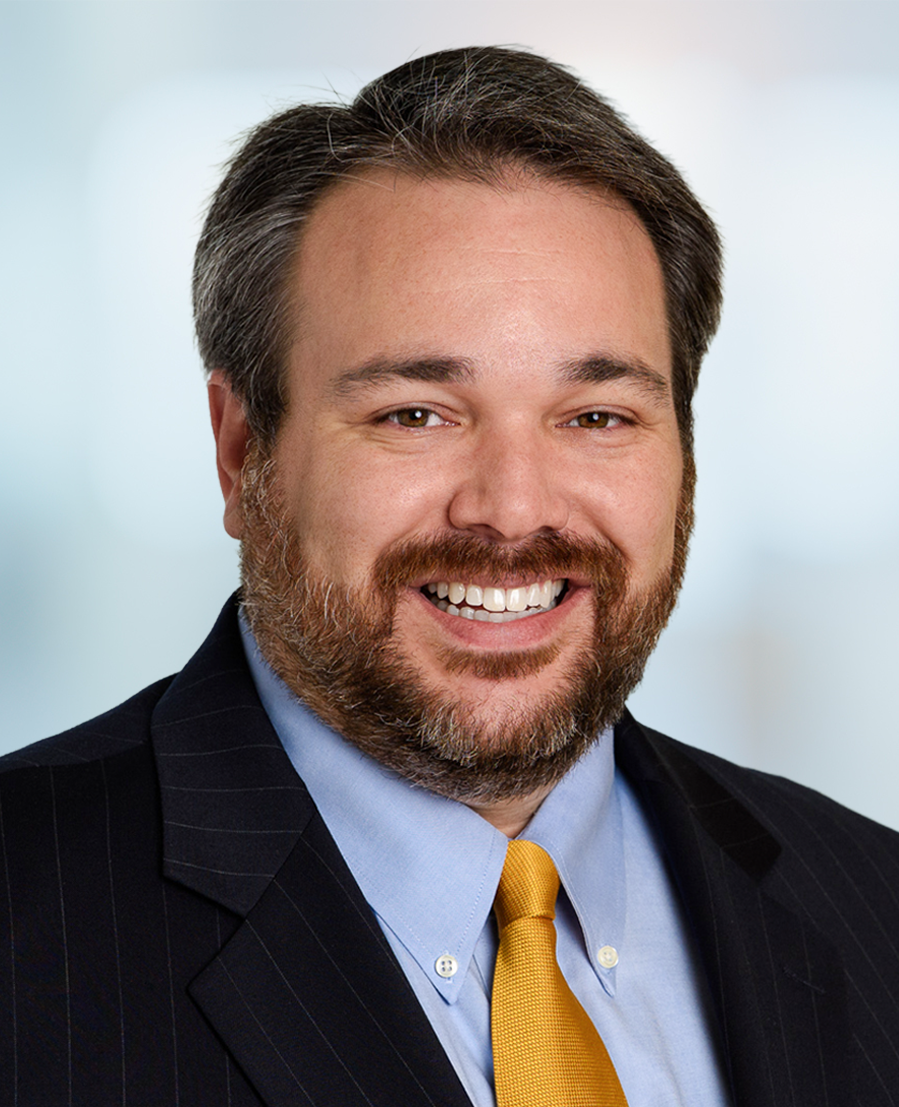
Benjamin Greenberg, MD, MHS Scientific Advisor | Rare Demyelinating & Autoimmune Neurological Diseases
UT Southwestern’s Expert in Rare Autoimmune Diseases of the Nervous System
Dr. Benjamin Greenberg is an internationally recognized neurologist specializing in rare autoimmune disorders of the central nervous system. He currently serves as Vice Chair of Clinical and Translational Research and Professor of Neurology and Pediatrics at UT Southwestern Medical Center.
Dr. Greenberg completed his medical degree at Baylor College of Medicine, followed by an internal medicine internship at Rush–St. Luke’s Presbyterian Hospital and a neurology residency at Johns Hopkins Hospital, where he later served as co-director of the Transverse Myelitis Center. Since joining UT Southwestern in 2009, he has founded multiple pioneering programs, including the Transverse Myelitis and Neuromyelitis Optica Program and the Pediatric Demyelinating Disease Program. As a principal investigator of major national collaborative studies, he has contributed extensively to the discovery of novel biomarkers and the development of biorepository protocols supporting precision diagnostics and treatment strategies.
Several of TRE-515’s target orphan indications — including ADEM and optic neuritis — fall squarely within Greenberg’s clinical specialty.
Benjamin Greenberg, MD, MHS Scientific Advisor | Rare Demyelinating & Autoimmune Neurological Diseases
UT Southwestern’s Expert in Rare Autoimmune Diseases of the Nervous System
Dr. Benjamin Greenberg is an internationally recognized neurologist specializing in rare autoimmune disorders of the central nervous system. He currently serves as Vice Chair of Clinical and Translational Research and Professor of Neurology and Pediatrics at UT Southwestern Medical Center.
Dr. Greenberg completed his medical degree at Baylor College of Medicine, followed by an internal medicine internship at Rush–St. Luke’s Presbyterian Hospital and a neurology residency at Johns Hopkins Hospital, where he later served as co-director of the Transverse Myelitis Center. Since joining UT Southwestern in 2009, he has founded multiple pioneering programs, including the Transverse Myelitis and Neuromyelitis Optica Program and the Pediatric Demyelinating Disease Program. As a principal investigator of major national collaborative studies, he has contributed extensively to the discovery of novel biomarkers and the development of biorepository protocols supporting precision diagnostics and treatment strategies.
Several of TRE-515’s target orphan indications — including ADEM and optic neuritis — fall squarely within Greenberg’s clinical specialty.
Merit Cudkowicz, MD, MSC Scientific Advisor | ALS & Neuroimmune Disease
Notable ALS Harvard Physician-Scientist. The Researcher Who Transforms How ALS Therapies Are Developed
Dr. Merit Cudkowicz is the Julieanne Dorn Professor of Neurology at Harvard Medical School, Director of the Sean M. Healey & AMG Center for ALS at Massachusetts General Hospital, and Executive Director of the Mass General Brigham Neuroscience Institute. She has devoted her career to the study and treatment of ALS and is one of the founders and past co-chairs of the Northeast ALS Consortium (NEALS), a network of more than 134 clinical sites across the US, Canada, Europe, and the Middle East dedicated to collaborative ALS trials and research.
Dr. Cudkowicz launched the HEALEY ALS Platform Trial — the first platform trial initiative in ALS — and serves as Principal Investigator of the NINDS Neuro NEXT Clinical Coordination Center. She also played a senior role in developing the first antisense oligonucleotide treatment approved for a neurological disorder. She is the recipient of the AAN Sheila Essay ALS Award, the Forbes Norris Award, and the Ray Adams American Neurological Association Award.
Dr. Cudkowicz holds a BS in chemical engineering from MIT, an MD from Harvard Medical School, and a master’s in Clinical Epidemiology from the Harvard T.H. Chan School of Public Health. She serves as Principal Investigator for the ongoing Expanded Access clinical trial evaluating TRE-515 in patients with advanced ALS.
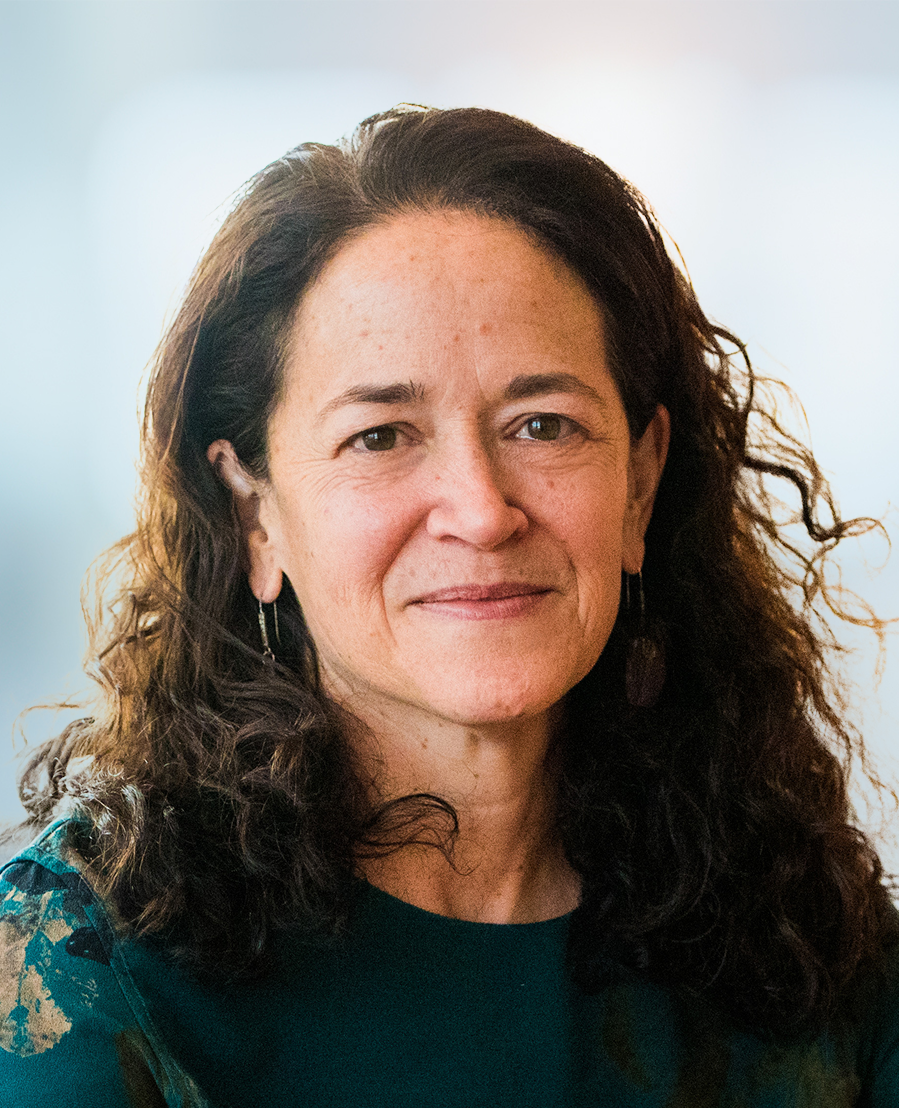
Merit Cudkowicz, MD, MSC Scientific Advisor | ALS & Neuroimmune Disease
Notable ALS Harvard Physician-Scientist. The Researcher Who Transforms How ALS Therapies Are Developed
Dr. Merit Cudkowicz is the Julieanne Dorn Professor of Neurology at Harvard Medical School, Director of the Sean M. Healey & AMG Center for ALS at Massachusetts General Hospital, and Executive Director of the Mass General Brigham Neuroscience Institute. She has devoted her career to the study and treatment of ALS and is one of the founders and past co-chairs of the Northeast ALS Consortium (NEALS), a network of more than 134 clinical sites across the US, Canada, Europe, and the Middle East dedicated to collaborative ALS trials and research.
Dr. Cudkowicz launched the HEALEY ALS Platform Trial — the first platform trial initiative in ALS — and serves as Principal Investigator of the NINDS Neuro NEXT Clinical Coordination Center. She also played a senior role in developing the first antisense oligonucleotide treatment approved for a neurological disorder. She is the recipient of the AAN Sheila Essay ALS Award, the Forbes Norris Award, and the Ray Adams American Neurological Association Award.
Dr. Cudkowicz holds a BS in chemical engineering from MIT, an MD from Harvard Medical School, and a master’s in Clinical Epidemiology from the Harvard T.H. Chan School of Public Health. She serves as Principal Investigator for the ongoing Expanded Access clinical trial evaluating TRE-515 in patients with advanced ALS.
Frank Baxter (In Memoriam), Special Advisor | Healthcare Finance & Capital Markets
The Investment Banker Who Built Jefferies, Shaped NASDAQ, and Invested Early in Trethera
Ambassador Frank Baxter was Chairman Emeritus of Jefferies & Company, the global investment bank he joined in 1974 and led as CEO from 1987 to 2002. Under his leadership, Jefferies expanded beyond block equity trading into a diversified investment bank, raising more than $20 billion in capital for mid-sized companies and building the platform that as of today holds more than $76 billion in total assets.
Mr. Baxter served as a director of the NASD and chaired the committee that resulted in the spin-off of NASDAQ, subsequently serving on the NASDAQ board as a member of the Executive Committee and Chairman of the CEO search committee. He also served as a director of the Securities Industry Association and as US Ambassador to Uruguay from 2006 to 2009. His civic commitments included board roles with the St. John’s Health Center Foundation, the UC Berkeley Foundation, and the Los Angeles County Museum of Art. He is a recipient of the Bet Tzedek House of Justice Award and the City of Angels Award.
An original outside investor in Trethera, Baxter advised the company’s board on financing strategy across private equity, public market approach, and structured debt. He held a BA in economics from UC Berkeley.
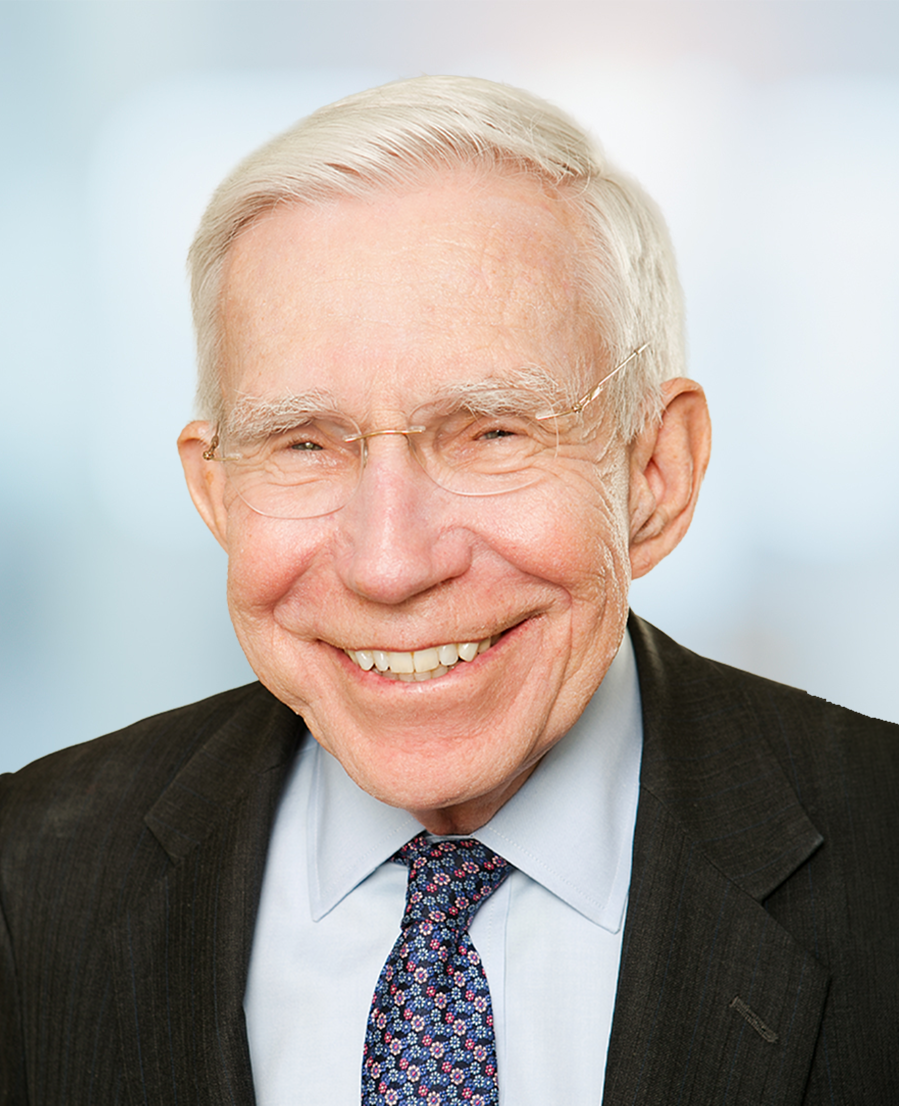
Frank Baxter (In Memoriam), Special Advisor | Healthcare Finance & Capital Markets
The Investment Banker Who Built Jefferies, Shaped NASDAQ, and Invested Early in Trethera
Ambassador Frank Baxter was Chairman Emeritus of Jefferies & Company, the global investment bank he joined in 1974 and led as CEO from 1987 to 2002. Under his leadership, Jefferies expanded beyond block equity trading into a diversified investment bank, raising more than $20 billion in capital for mid-sized companies and building the platform that as of today holds more than $76 billion in total assets.
Mr. Baxter served as a director of the NASD and chaired the committee that resulted in the spin-off of NASDAQ, subsequently serving on the NASDAQ board as a member of the Executive Committee and Chairman of the CEO search committee. He also served as a director of the Securities Industry Association and as US Ambassador to Uruguay from 2006 to 2009. His civic commitments included board roles with the St. John’s Health Center Foundation, the UC Berkeley Foundation, and the Los Angeles County Museum of Art. He is a recipient of the Bet Tzedek House of Justice Award and the City of Angels Award.
An original outside investor in Trethera, Baxter advised the company’s board on financing strategy across private equity, public market approach, and structured debt. He held a BA in economics from UC Berkeley.
Board of Directors
Lou Gonda, Board Member
Entrepreneur and Long-Term Investor in Trethera.
Lou Gonda is CEO of Lexington Ventures, a diversified investment vehicle spanning venture capital, commercial real estate, and private and public equities. In 1983, he co-founded International Lease Finance Corporation (ILFC) with his father and Steven Udvar-Hazy, which grew into one of the largest commercial aircraft leasing companies in the world before its sale to American International Group in 1990.
Gonda has been a long-standing figure in institutional healthcare philanthropy, serving as a Trustee and Emeritus Board Member of the Mayo Clinic and on the board of The Scripps Research Institute.
For Trethera, Gonda brings the perspective of a capital allocator who has operated at the intersection of enterprise-building, institutional medicine, and long-horizon investing.
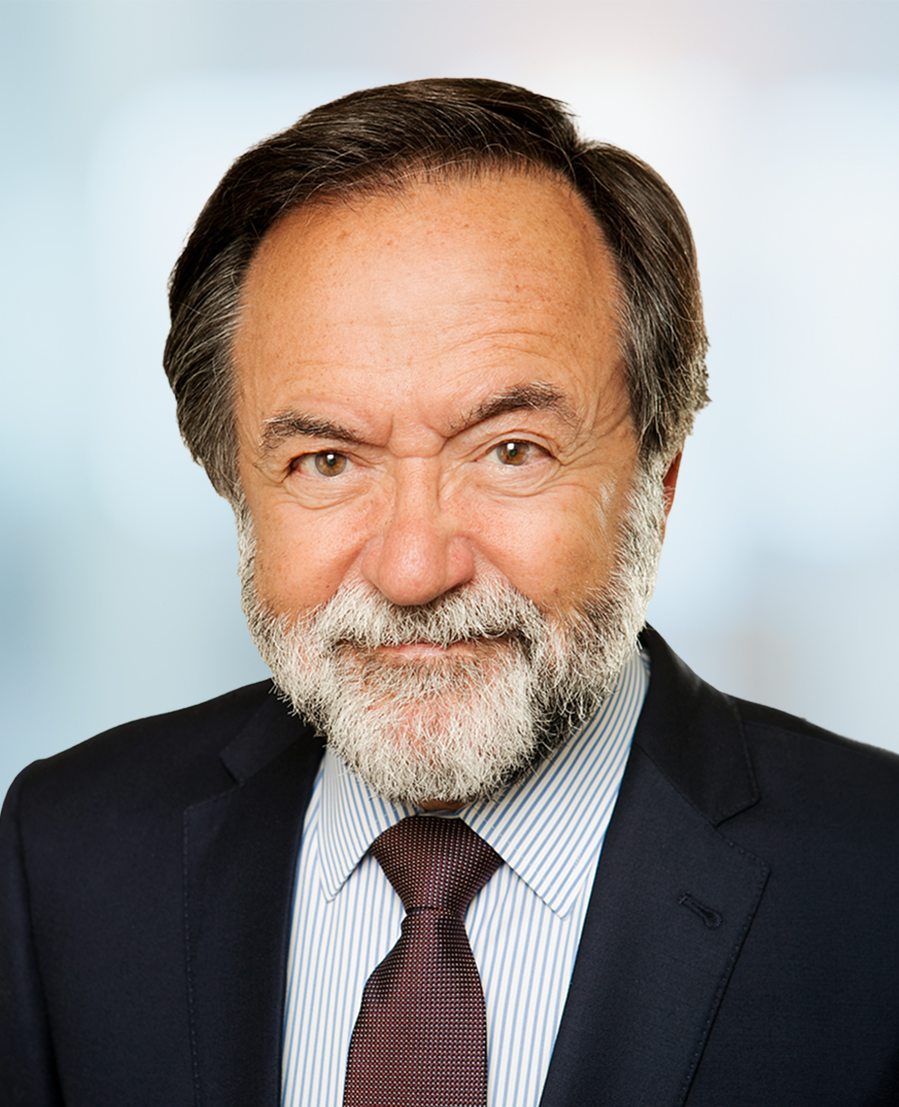
Lou Gonda, Board Member
Entrepreneur and Long-Term Investor in Trethera.
Lou Gonda is CEO of Lexington Ventures, a diversified investment vehicle spanning venture capital, commercial real estate, and private and public equities. In 1983, he co-founded International Lease Finance Corporation (ILFC) with his father and Steven Udvar-Hazy, which grew into one of the largest commercial aircraft leasing companies in the world before its sale to American International Group in 1990.
Gonda has been a long-standing figure in institutional healthcare philanthropy, serving as a Trustee and Emeritus Board Member of the Mayo Clinic and on the board of The Scripps Research Institute.
For Trethera, Gonda brings the perspective of a capital allocator who has operated at the intersection of enterprise-building, institutional medicine, and long-horizon investing.
R. Boyd Quinnell, CPA, Board Member, Audit Chair
Boyd Quinnell brings more than 30 years of financial leadership in regulated healthcare businesses to his role as Trethera’s Audit Committee Chair. His career spans public accounting, global medical device operations, and executive management — providing a cross-functional financial lens directly applicable to a clinical-stage company preparing for commercialization.
Quinnell served as CFO and General Manager for the US division of Biotronik, a global medical device company generating more than $400 million in annual US revenue, where he led financial operations from 2015 through 2019. Before that, he spent 12 years at Medtronic, the world’s largest medical device company, rising to Controller and Senior Director of Finance. He began his career as a senior consultant at KPMG.
He holds a BA in business from the University of Hawaii, MBAs from Cornell University and the Wharton School at the University of Pennsylvania, and a CPA license. He has served on nonprofit boards for the American Heart Association and Food on Foot, and remains active in the Los Angeles community in efforts to alleviate homelessness.
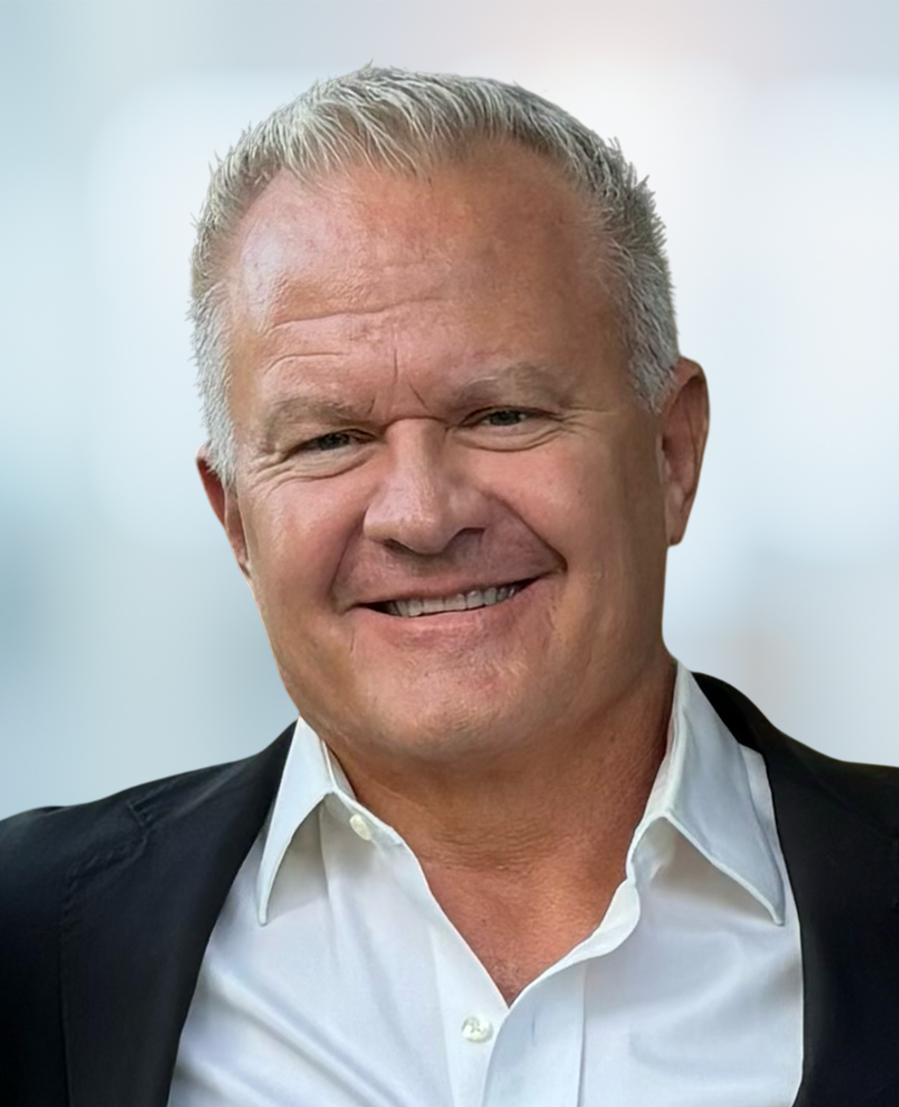
R. Boyd Quinnell, CPA, Board Member, Audit Chair
Boyd Quinnell brings more than 30 years of financial leadership in regulated healthcare businesses to his role as Trethera’s Audit Committee Chair. His career spans public accounting, global medical device operations, and executive management — providing a cross-functional financial lens directly applicable to a clinical-stage company preparing for commercialization.
Quinnell served as CFO and General Manager for the US division of Biotronik, a global medical device company generating more than $400 million in annual US revenue, where he led financial operations from 2015 through 2019. Before that, he spent 12 years at Medtronic, the world’s largest medical device company, rising to Controller and Senior Director of Finance. He began his career as a senior consultant at KPMG.
He holds a BA in business from the University of Hawaii, MBAs from Cornell University and the Wharton School at the University of Pennsylvania, and a CPA license. He has served on nonprofit boards for the American Heart Association and Food on Foot, and remains active in the Los Angeles community in efforts to alleviate homelessness.
Laurent Dubois, Board Member, Comp & Gov Chair
Global Healthcare and Technology Leader. Two Decades at McKinsey and GEHC Before Joining Trethera’s Board
Laurent Dubois brings more than two decades of healthcare executive and strategy consulting experience to Trethera’s board. As a Partner at McKinsey & Company, he led the firm’s Pharmaceuticals and Medical Products go to market practice, advising several of the world’s largest pharmaceutical companies. He subsequently launched and served as CEO of GE Healthcare Partners — GE’s hospital solutions, consulting, and advanced analytics franchise — where he served on the GE Healthcare Global Executive Committee and launched the GEHC Command Centers for hospital operations.
He is currently CEO of ADB Safegate, a Carlyle portfolio company and global leader in airside guidance technology for airports, and Chairman of Ascom Holding, active in critical real time communication in healthcare and enterprise. He began his career in oil and gas, holding roles of increasing responsibility at Texaco and TotalEnergies.
Dubois holds a master’s degree in Economics and Business Economics from the Free University of Brussels and has served on the selection committee of the Prince Albert Fund, a program of the King Baudouin Foundation.
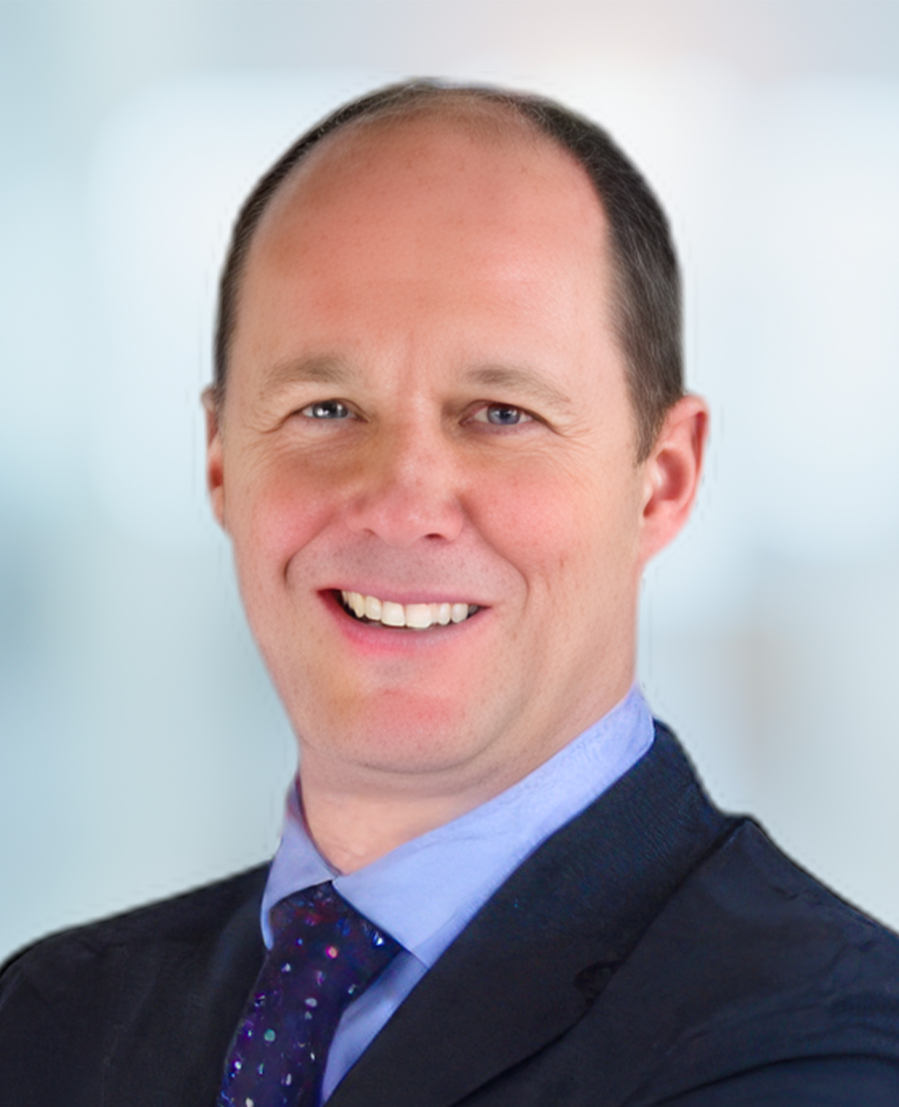
Laurent Dubois, Board Member, Comp & Gov Chair
Global Healthcare and Technology Leader. Two Decades at McKinsey and GEHC Before Joining Trethera’s Board
Laurent Dubois brings more than two decades of healthcare executive and strategy consulting experience to Trethera’s board. As a Partner at McKinsey & Company, he led the firm’s Pharmaceuticals and Medical Products go to market practice, advising several of the world’s largest pharmaceutical companies. He subsequently launched and served as CEO of GE Healthcare Partners — GE’s hospital solutions, consulting, and advanced analytics franchise — where he served on the GE Healthcare Global Executive Committee and launched the GEHC Command Centers for hospital operations.
He is currently CEO of ADB Safegate, a Carlyle portfolio company and global leader in airside guidance technology for airports, and Chairman of Ascom Holding, active in critical real time communication in healthcare and enterprise. He began his career in oil and gas, holding roles of increasing responsibility at Texaco and TotalEnergies.
Dubois holds a master’s degree in Economics and Business Economics from the Free University of Brussels and has served on the selection committee of the Prince Albert Fund, a program of the King Baudouin Foundation.
Timothy Donahue, MD, Board Member
Chief of Surgical Oncology at UCLA and Clinician-Scientist Advancing the Future of Pancreatic Cancer Care
Dr. Timothy Donahue is Chief of Surgical Oncology at UCLA and Professor of Surgery at the David Geffen School of Medicine, with a joint appointment in the Department of Molecular and Medical Pharmacology. He serves as Director of the UCLA Agi Hirshberg Center for Pancreatic Diseases and Medical Director for Cancer Services at UCLA Health, where he oversees cancer strategy and operations across the health system.
Dr. Donahue earned his MD from Northwestern University Feinberg School of Medicine in 2002 and completed his surgical residency at UCLA.
An internationally recognized clinician-scientist, Dr. Donahue performs three to four pancreatic operations each week, with outcomes among the best in the world. He also leads an NIH-funded translational research laboratory focused on developing new therapies and improving treatment strategies for patients with pancreatic cancer through collaborations across the UCLA campus. He has been recognized as a Southern California Super Doctor and is deeply committed to mentoring and training the next generation of academic surgeons.
As both a high-volume pancreatic surgeon and NIH-funded investigator, Dr. Donahue brings a unique perspective to the Board, providing expertise in the clinical development and scientific evaluation of novel cancer therapeutics, including TRE-515.
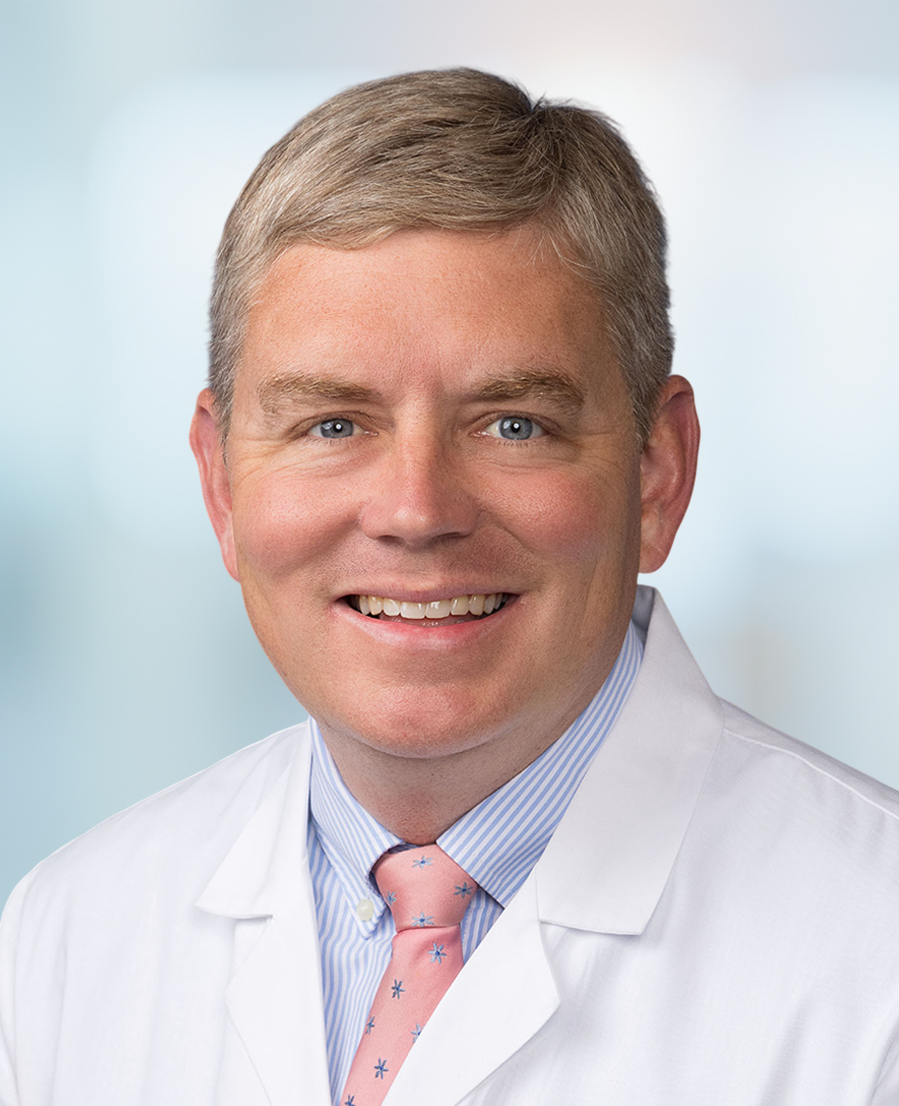
Timothy Donahue, MD, Board Member
Chief of Surgical Oncology at UCLA and Clinician-Scientist Advancing the Future of Pancreatic Cancer Care
Dr. Timothy Donahue is Chief of Surgical Oncology at UCLA and Professor of Surgery at the David Geffen School of Medicine, with a joint appointment in the Department of Molecular and Medical Pharmacology. He serves as Director of the UCLA Agi Hirshberg Center for Pancreatic Diseases and Medical Director for Cancer Services at UCLA Health, where he oversees cancer strategy and operations across the health system.
Dr. Donahue earned his MD from Northwestern University Feinberg School of Medicine in 2002 and completed his surgical residency at UCLA.
An internationally recognized clinician-scientist, Dr. Donahue performs three to four pancreatic operations each week, with outcomes among the best in the world. He also leads an NIH-funded translational research laboratory focused on developing new therapies and improving treatment strategies for patients with pancreatic cancer through collaborations across the UCLA campus. He has been recognized as a Southern California Super Doctor and is deeply committed to mentoring and training the next generation of academic surgeons.
As both a high-volume pancreatic surgeon and NIH-funded investigator, Dr. Donahue brings a unique perspective to the Board, providing expertise in the clinical development and scientific evaluation of novel cancer therapeutics, including TRE-515.
Carl McKinzie, JD, Board Member
Over 60 Years of Corporate Law, Governance, and Executive Leadership
Carl McKinzie brings more than 60 years of experience serving clients across a wide variety of industries to Trethera’s board. In 1980, he joined and became a named partner in the business law firm Riordan & McKinzie, having previously been a partner at Nossaman LLP.In 2003, Riordan & McKinzie merged with Bingham McCutchen LLP, an international law firm, where he continued advising clients on mergers and acquisitions, securities transactions, and complex financing transactions. In 2010, McKinzie was recruited as CEO of FirstFed Financial Corp., a bank holding company in bankruptcy, successfully leading its reorganization. He subsequently served as Interim President and CEO of Trethera Corporation.
Throughout his career, he has advised boards of directors and special committees on corporate governance, and has served as a member and chair of various board committees for public, private, and nonprofit companies.
He holds a BA and MBA in banking and finance from Texas Tech University and a JD from the SMU Dedman School of Law, where he received a Distinguished Alumni Award and served as an editor of the Southwestern Law Journal.
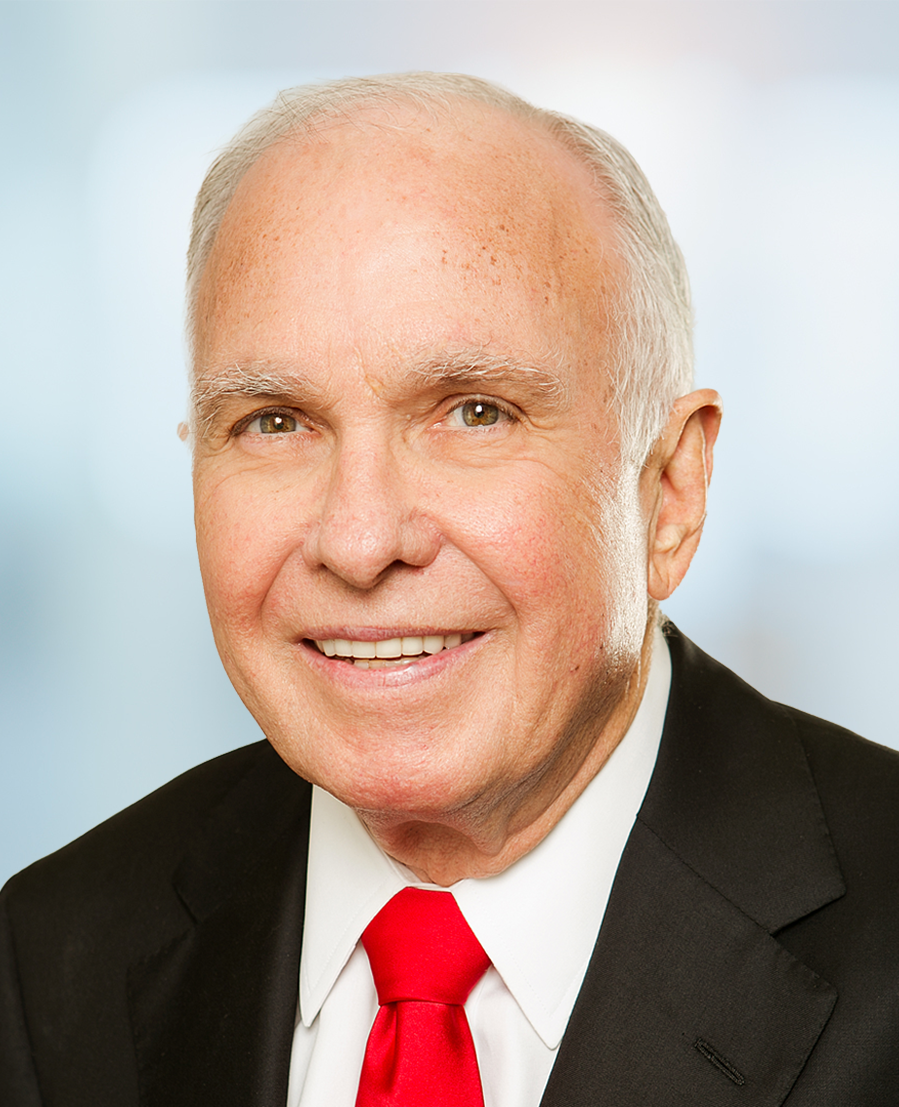
Carl McKinzie, JD, Board Member
Over 60 Years of Corporate Law, Governance, and Executive Leadership
Carl McKinzie brings more than 60 years of experience serving clients across a wide variety of industries to Trethera’s board. In 1980, he joined and became a named partner in the business law firm Riordan & McKinzie, having previously been a partner at Nossaman LLP.In 2003, Riordan & McKinzie merged with Bingham McCutchen LLP, an international law firm, where he continued advising clients on mergers and acquisitions, securities transactions, and complex financing transactions. In 2010, McKinzie was recruited as CEO of FirstFed Financial Corp., a bank holding company in bankruptcy, successfully leading its reorganization. He subsequently served as Interim President and CEO of Trethera Corporation.
Throughout his career, he has advised boards of directors and special committees on corporate governance, and has served as a member and chair of various board committees for public, private, and nonprofit companies.
He holds a BA and MBA in banking and finance from Texas Tech University and a JD from the SMU Dedman School of Law, where he received a Distinguished Alumni Award and served as an editor of the Southwestern Law Journal.
Drew Woodmansee, JD, Board Member
Drew Woodmansee is Vice President of Legal Affairs & Chief Compliance Officer at Biolinq, a medical wearables company developing continuous metabolic health monitoring technology. He brings more than 30 years of life sciences legal experience to Trethera’s board, with deep expertise in intellectual property, patent litigation, licensing, capital formation, and corporate governance. Before moving in-house, Woodmansee spent 25 years in private practice at major global law firms — including as a partner in the San Diego offices of both Morrison & Foerster and Jones Day. Throughout his career, he has served as first-chair trial counsel in complex patent cases and negotiated dozens of licensing and commercial agreements across the medical device, pharmaceutical, and diagnostics sectors.
He holds a BA from the University of Notre Dame and a JD from Notre Dame Law School.
For a company like Trethera — with a novel mechanism, an active clinical program, and a growing IP portfolio — Woodmansee’s ability to protect assets, structure deals, and navigate the legal dimensions of scaling is directly material to long-term company value.
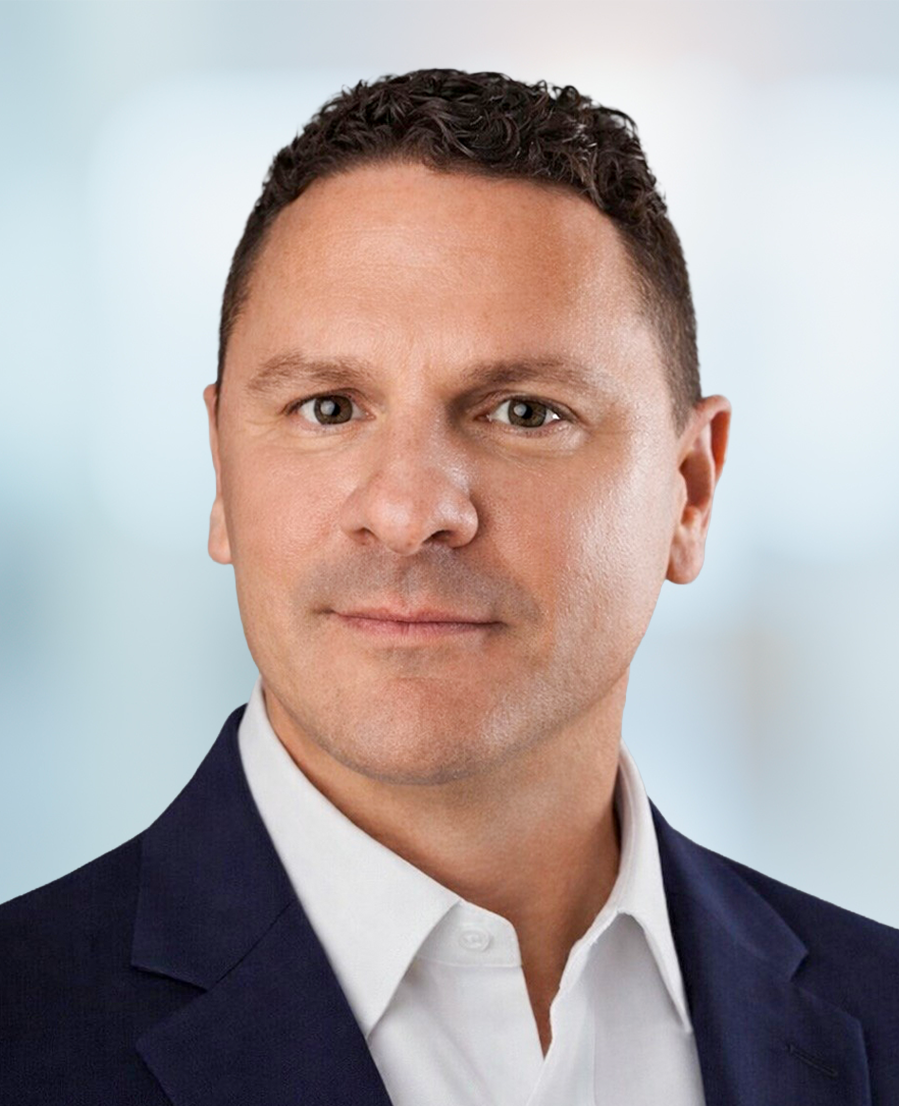
Drew Woodmansee, JD, Board Member
Drew Woodmansee is Vice President of Legal Affairs & Chief Compliance Officer at Biolinq, a medical wearables company developing continuous metabolic health monitoring technology. He brings more than 30 years of life sciences legal experience to Trethera’s board, with deep expertise in intellectual property, patent litigation, licensing, capital formation, and corporate governance. Before moving in-house, Woodmansee spent 25 years in private practice at major global law firms — including as a partner in the San Diego offices of both Morrison & Foerster and Jones Day. Throughout his career, he has served as first-chair trial counsel in complex patent cases and negotiated dozens of licensing and commercial agreements across the medical device, pharmaceutical, and diagnostics sectors.
He holds a BA from the University of Notre Dame and a JD from Notre Dame Law School.
For a company like Trethera — with a novel mechanism, an active clinical program, and a growing IP portfolio — Woodmansee’s ability to protect assets, structure deals, and navigate the legal dimensions of scaling is directly material to long-term company value.
Jean B. deKernion, MD, Director Emeritus
A Founding Voice in Urologic Oncology. The Institutional Credibility Behind Trethera’s Scientific Foundation
Dr. Jean deKernion is Professor Emeritus of Urology at UCLA and a world leader in urologiconcology, co-authoring the first textbook on the subject. He chaired UCLA’s Department of Urology from 1984 to 2011 — more than a quarter century of leadership — during which he founded the Department as its own independent institution in 1996, expanded the faculty, and exponentially grew research funding across clinical, basic science, and health services research, with five nationally recognized fellowship programs.
Dr. DeKernion completed his residency at Case Western Reserve University and his fellowship at the National Cancer Institute, and is certified by both the American Board of Surgery and the American Board of Urology. He was appointed by President George W. Bush to serve on the National Cancer Advisory Board and served as UCLA’s Senior Associate Dean for Clinical Operations.
His presence on Trethera’s board connects the company to decades of oncology institution-building, bench-to-bedside translation, and the scientific credibility that institutional investors and potential partners look for.
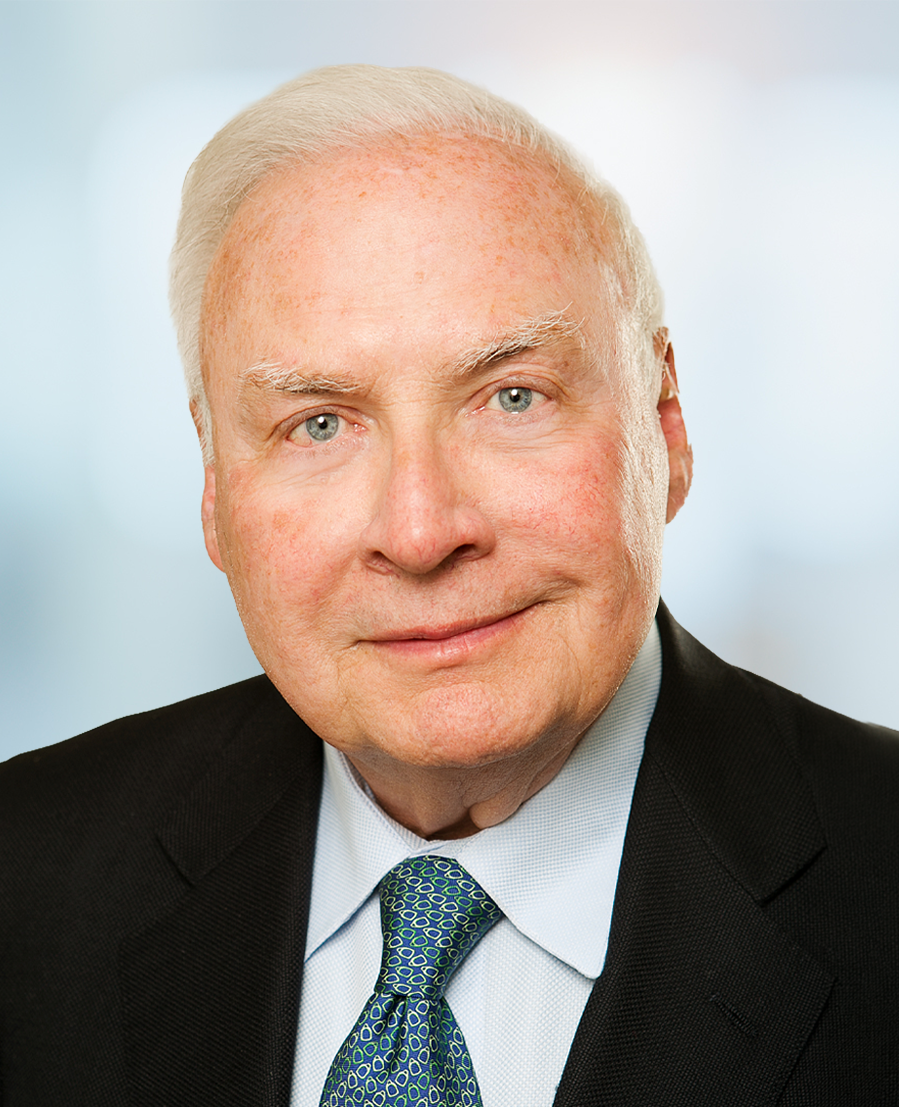
Jean B. deKernion, MD, Director Emeritus
A Founding Voice in Urologic Oncology. The Institutional Credibility Behind Trethera’s Scientific Foundation
Dr. Jean deKernion is Professor Emeritus of Urology at UCLA and a world leader in urologiconcology, co-authoring the first textbook on the subject. He chaired UCLA’s Department of Urology from 1984 to 2011 — more than a quarter century of leadership — during which he founded the Department as its own independent institution in 1996, expanded the faculty, and exponentially grew research funding across clinical, basic science, and health services research, with five nationally recognized fellowship programs.
Dr. DeKernion completed his residency at Case Western Reserve University and his fellowship at the National Cancer Institute, and is certified by both the American Board of Surgery and the American Board of Urology. He was appointed by President George W. Bush to serve on the National Cancer Advisory Board and served as UCLA’s Senior Associate Dean for Clinical Operations.
His presence on Trethera’s board connects the company to decades of oncology institution-building, bench-to-bedside translation, and the scientific credibility that institutional investors and potential partners look for.
Our History
From UCLA to present day
Trethera’s path traces a single idea, that blocking the Salvage Pathway could selectively stop the cells driving disease.