

Many treatments work by stopping every dividing cell, including the immune cells that protect you, leaving patients vulnerable. TRE-515 is designed to target abnormally activated cells, leaving normal healthy cells virtually untouched and naïve immune cells intact.
The Shortcut
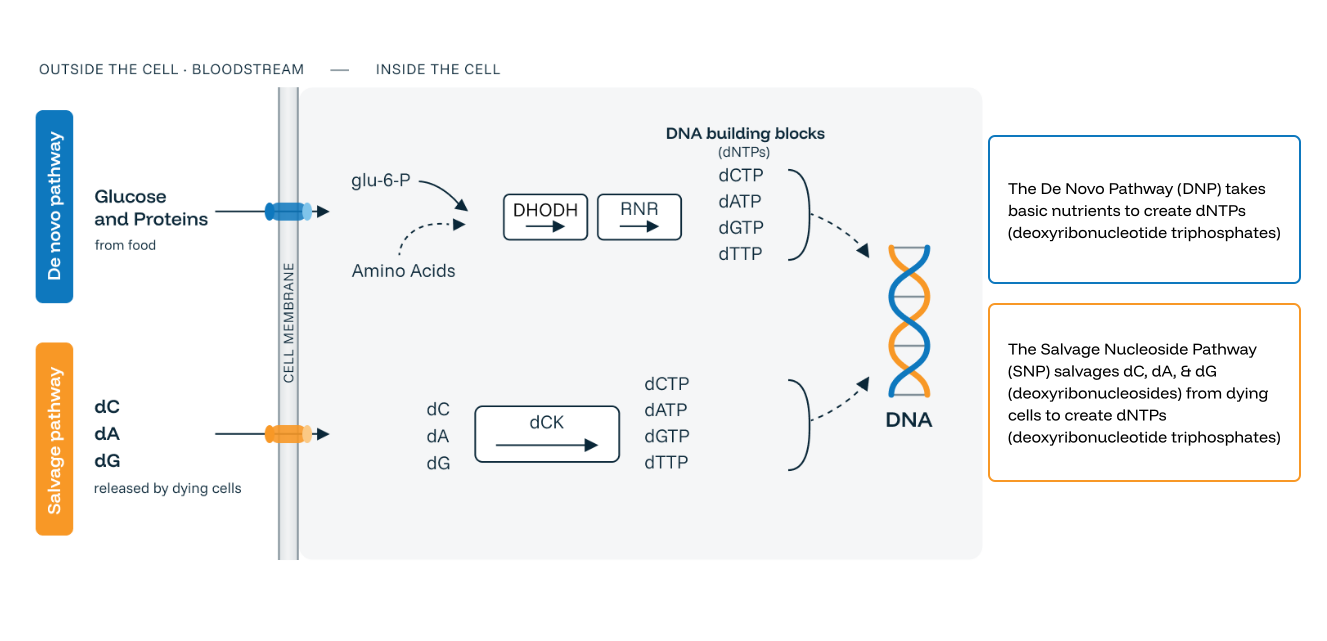
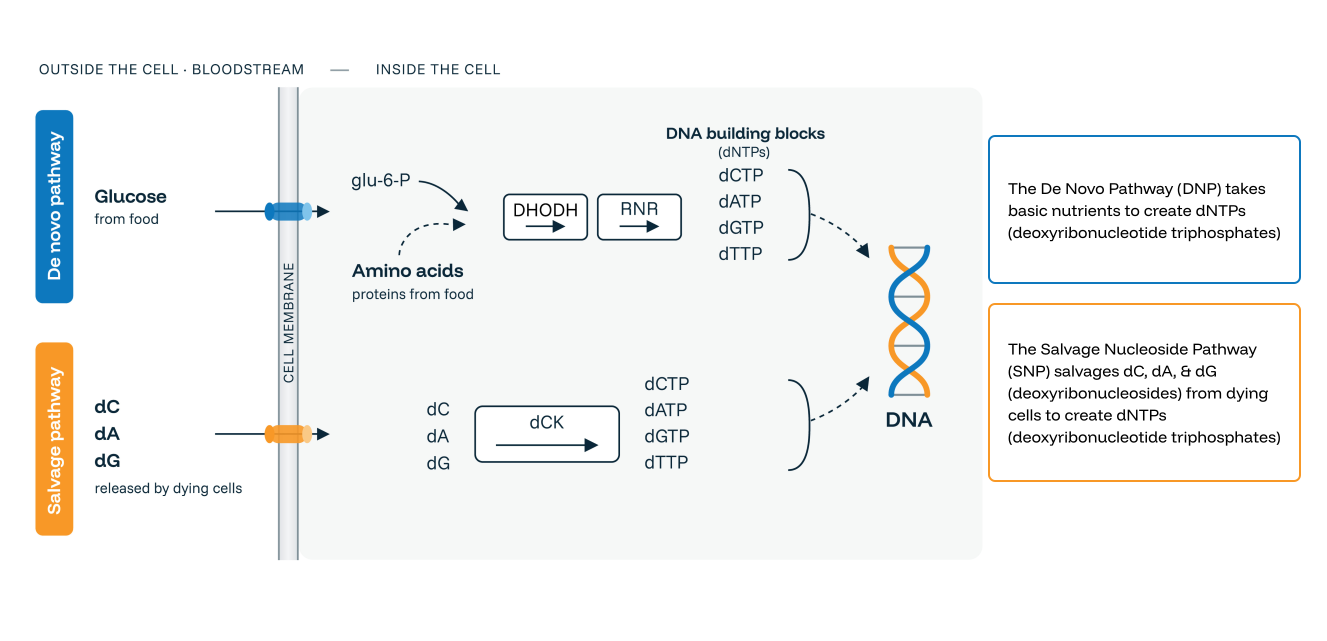
Cancer cells and overactive immune cells become more reliant on the Salvage Pathway
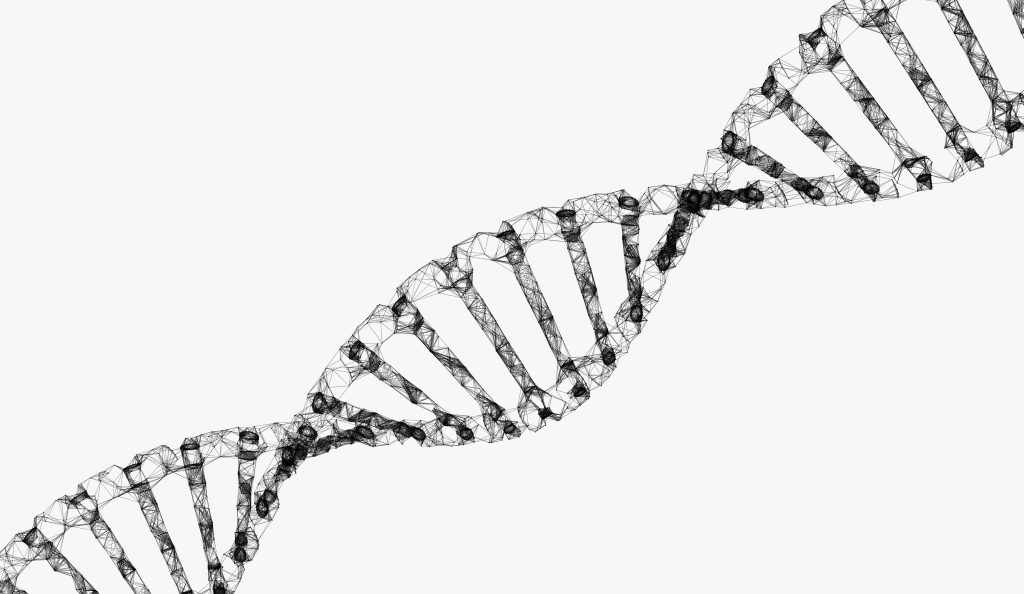
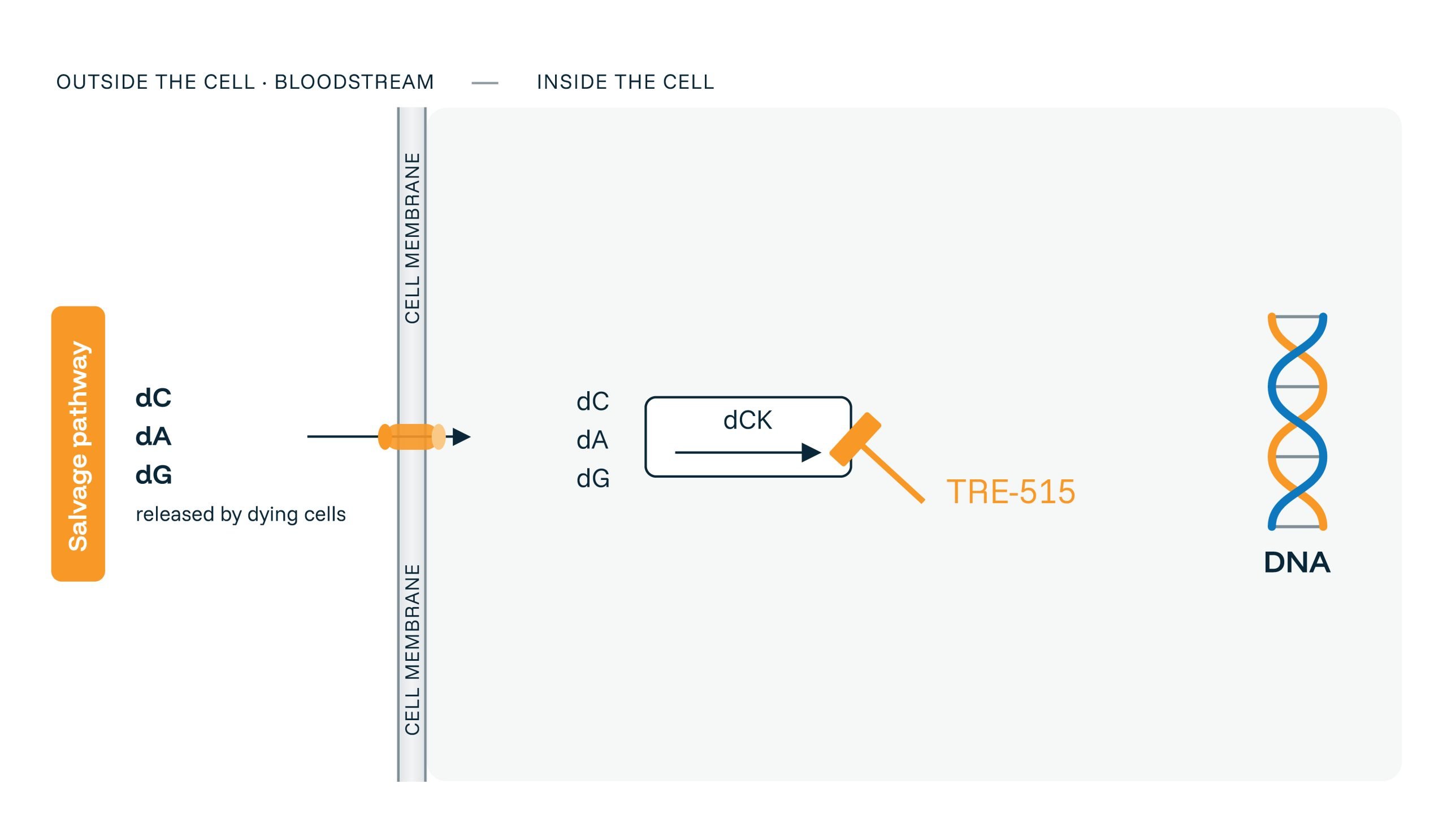
Cells obtain DNA precursors through both De Novo and nucleoside Salvage Pathways. Under conditions of rapid proliferation or cellular stress, cancer and activated immune cells can become increasingly reliant on the Salvage Pathway. TRE-515 is designed to inhibit dCK, a key enzyme in this pathway.
The Mechanism
How TRE-515 Works
TRE-515 is an oral drug developed by UCLA scientists to inhibit dCK, a key enzyme in the Salvage Pathway. Without dCK, abnormal cells cannot convert the recycled precursors (dC, dA, dG) into dNTPs. So, rapidly dividing abnormal cells suffer from replication stress.
Cancerous tumors strain to continue growing, and T & B cells causing autoimmune attacks struggle to reproduce fast enough to maintain their numbers. During the dose escalation clinical trial, as well as early toxicology mouse studies, TRE-515 did not produce broad hematologic suppression.



Grounded in published Research
The case for blocking dCK has been building in peer-reviewed science for over a decade.
Peer-Reviewed Publication
March 26, 2026
Deoxycytidine kinase inhibition: Rewiring tumor nucleotide metabolism for therapeutic gain
Peer-Reviewed Publication
January 16, 2023